
Timeline
The history of uninsured drivers and the legislative attempts to manage them spans nearly a century of evolving public policy, economic shifts, and technological advancements. In the early days of automotive travel, driving was largely unregulated, and accidents routinely ruined families financially because no mechanisms existed to guarantee compensation. The first major turning point occurred in 1927 when Massachusetts implemented the nation’s first compulsory auto insurance law. This legislation established a new paradigm, mandating that you could not register a vehicle without proving you possessed liability coverage to pay for potential damages. Over the next few decades, the concept gained traction, though many states initially resisted mandatory coverage in favor of financial responsibility laws, which only required you to purchase insurance after you had already caused a crash or committed a severe traffic violation.
During the rapid economic expansion of the 1950s and 1960s, vehicle ownership exploded, leading to heavily congested roads and a corresponding surge in traffic accidents. As the courts became overwhelmed with personal injury lawsuits stemming from car crashes, state legislatures recognized that relying entirely on post-accident financial responsibility was insufficient. Throughout the 1970s, a wave of legislative reform swept the country. The majority of states transitioned to strict compulsory insurance frameworks, passing driving laws that required proof of insurance at all times. Concurrently, several states experimented with the aforementioned no-fault systems to alleviate the burden on the judicial system. It was during this era that uninsured motorist coverage became a standard offering, and in many states, a legally mandated inclusion in every consumer auto policy to protect responsible citizens from those who defied the new mandates.
Moving into the 1990s and early 2000s, the battle against uninsured drivers shifted from legislative mandates to technological enforcement. States realized that paper insurance cards were easily forged and that drivers frequently purchased a policy to register a vehicle, only to cancel the coverage the very next day. To combat this loophole, departments of motor vehicles began integrating their databases directly with insurance company records. This allowed state governments to track policy lapses in real time. If your insurance company reported a cancellation, the state would automatically suspend your vehicle registration until you provided proof of new coverage. While this digital integration significantly reduced uninsured rates in states with aggressive enforcement, economically disadvantaged regions still struggled with high non-compliance.
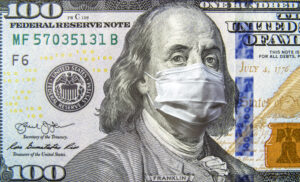
The timeline of this crisis experienced a massive disruption during the spring of 2020. As the global pandemic triggered widespread lockdowns, driving miles plummeted practically overnight. Recognizing the unprecedented drop in collision claims, many auto insurers issued rebates and lowered premiums for their customers. However, the accompanying economic shock and massive job losses meant that millions of Americans suddenly could not afford even these reduced rates, leading to a silent spike in the number of uninsured vehicles sitting in driveways. As society reopened and traffic volume returned to normal levels in 2021, these uninsured vehicles returned to the roads, creating a volatile environment.
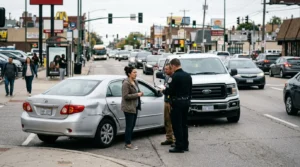
From 2022 to the present day, a severe secondary crisis has taken hold. Historic inflation, supply chain shortages, and the increasing complexity of modern vehicles have caused the cost of auto repairs to skyrocket. A minor fender bender that once cost a thousand dollars to repair now easily costs three times as much due to the sophisticated sensors and cameras embedded in modern bumpers. In response to these exploding repair costs, insurance companies have sought approval from state regulators to raise premiums drastically. This massive surge in state insurance rates has triggered a new wave of policy cancellations. Today, many states find themselves fighting the highest uninsured driver rates they have seen in a decade, struggling to balance strict enforcement with the reality of an acute affordability crisis.