Understanding the ten catastrophic storms that shocked the world provides essential insights into meteorological hazards, infrastructure vulnerabilities, and emergency response evolution. Extreme weather shapes human history, revealing deep flaws in building practices and communication networks. You will discover the exact atmospheric triggers behind historic cyclones, tornadoes, and hurricanes, along with the precise regulatory shifts they forced. Recognizing these historical patterns allows you to evaluate modern risks and prepare effectively for future climate anomalies. By analyzing atmospheric mechanics and specific societal impacts, you gain a practical framework for comprehending how natural forces overwhelm engineered environments and why specific preparedness strategies succeed or fail during severe weather crises.
Overview
Catastrophic storms disrupt societies, reshape coastlines, and test the limits of human resilience. When you examine the history of severe weather, you notice that the most shocking disasters share common variables. A profound catastrophe requires more than high wind speeds; it requires a severe hazard intersecting with a vulnerable population. The ten storms detailed in this historical analysis span more than a century and cross multiple continents. They range from massive storm systems in the Atlantic basin to intensely localized tornadoes in the American Midwest and colossal typhoons in the Pacific. Each event forever altered the communities it struck and forced global experts to rethink how societies co-exist with a volatile atmosphere.
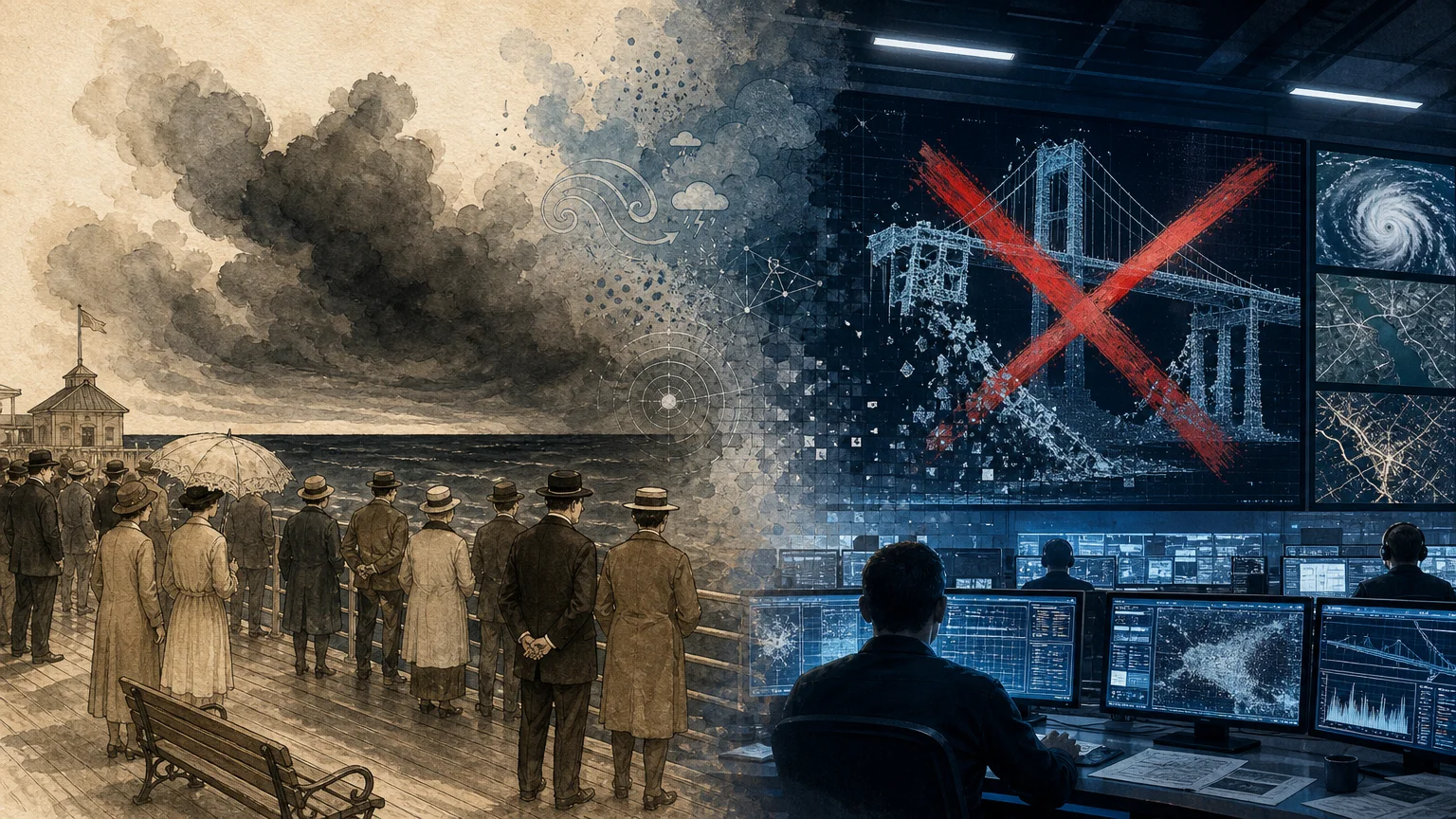
You can track the evolution of disaster management through these ten pivotal events. In the early twentieth century, populations lacked sophisticated forecasting tools, leaving millions vulnerable to sudden, unexpected landfalls. As technology improved, the nature of the disasters shifted. Later storms caused massive casualties and economic losses not because the storms arrived unannounced, but because existing infrastructure failed to withstand the physical forces. The transition from sudden meteorological surprises to catastrophic engineering failures highlights a critical reality in modern disaster science.
Studying these historical weather events equips you with a deeper understanding of risk assessment. When you investigate how past storms dismantled transportation grids and overwhelmed medical systems, you begin to see why modern building codes mandate specific load capacities and why emergency managers order evacuations days in advance. Every policy change, from advanced satellite tracking networks to reinforced concrete sea walls, traces its origins back to a specific devastating storm. Recognizing these connections helps you navigate the continuous push for stronger, smarter, and safer global infrastructure.