Human Impact & Response
When you evaluate the human impact of these historic storms, the casualty figures provide a sobering perspective on vulnerability. The 1900 Galveston Hurricane claimed an estimated 8,000 lives, representing the deadliest natural disaster in United States history. Yet, this figure diminishes when compared to the 1970 Bhola Cyclone, which killed an estimated 300,000 to 500,000 people. These extreme death tolls generally occurred before the implementation of modern satellite tracking and mass evacuation protocols. In these older events, populations simply had no warning and no physical means to escape the incoming surge.
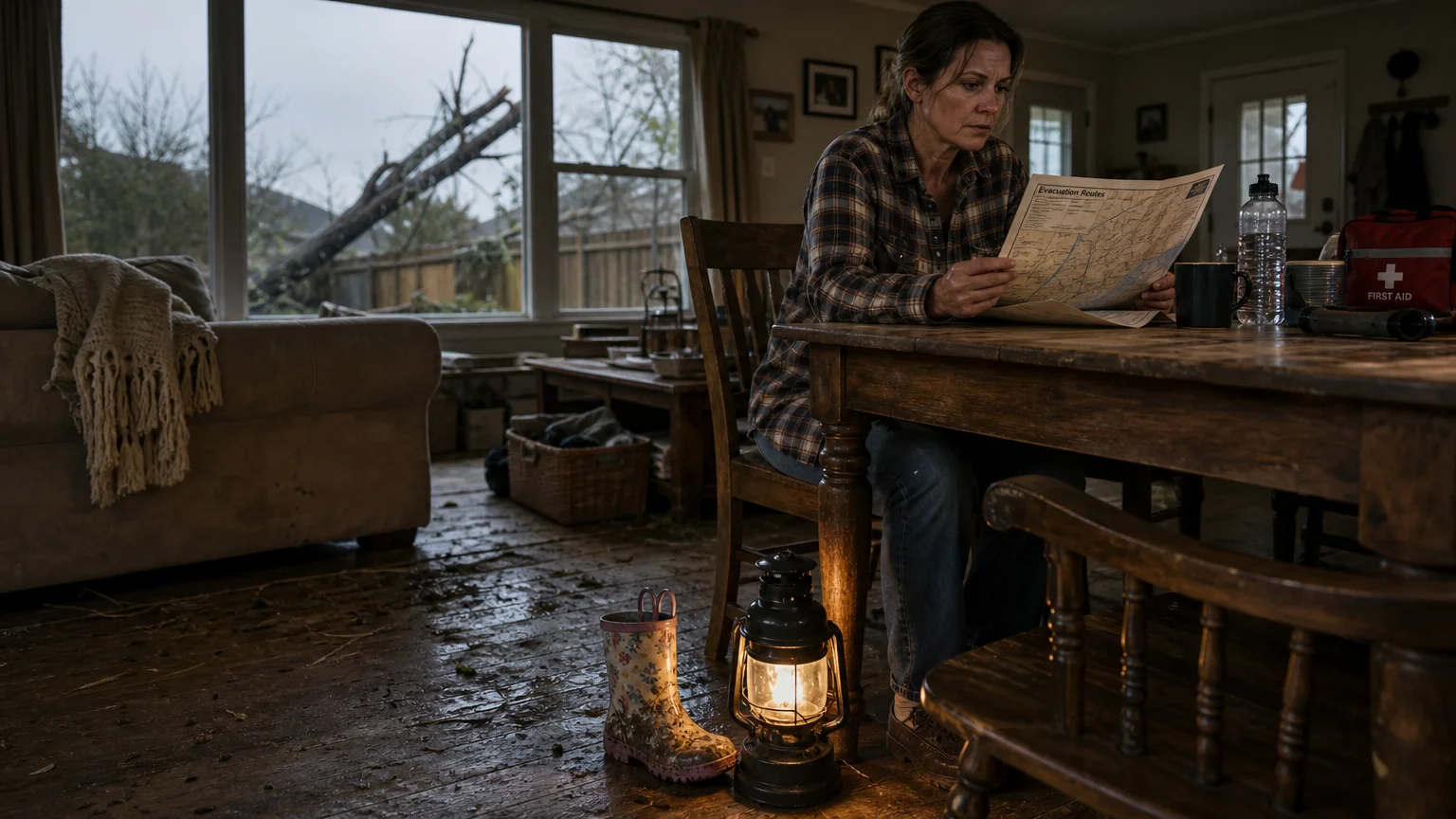
As forecasting improved, the nature of the human impact shifted from immediate mass casualties to prolonged displacement and public health emergencies. Following Hurricane Katrina, more than one million people evacuated the Gulf Coast, creating one of the largest modern diaspora events in the United States. Emergency management agencies struggled to provide long-term housing and maintain continuity of medical care for displaced citizens. You see a similar pattern following Hurricane Maria, where researchers estimate thousands of secondary deaths occurred simply because vulnerable individuals could not power oxygen machines, refrigerate insulin, or access dialysis centers due to the crippled power grid.
Humanitarian response operations must navigate incredibly complex logistics immediately following a catastrophic storm. When Super Typhoon Haiyan destroyed Tacloban, the storm wiped out the local government infrastructure alongside the civilian structures. The very first responders meant to organize the recovery lost their own lives, homes, and communication equipment. International search and rescue teams, military airlift commands, and non-governmental organizations had to establish their own supply chains to deliver water purification tablets, trauma kits, and temporary shelters to a ruined city.
Public health experts monitor post-storm environments closely for infectious disease outbreaks. When massive flooding occurs, as seen during Cyclone Nargis and Cyclone Idai, the floodwaters mix with raw sewage, agricultural chemicals, and deceased livestock. This toxic mixture contaminates local drinking water supplies, creating ideal conditions for cholera, dysentery, and typhoid. Medical response teams prioritize re-establishing clean water access because controlling waterborne diseases saves as many lives during the recovery phase as physical rescues save during the acute phase of the storm.
Emergency guidance at the FEMA and hazard science at the USGS and NOAA/NWS.
Public health information at the CDC and the WHO. Environmental data via the EPA.