Human Impact & Response
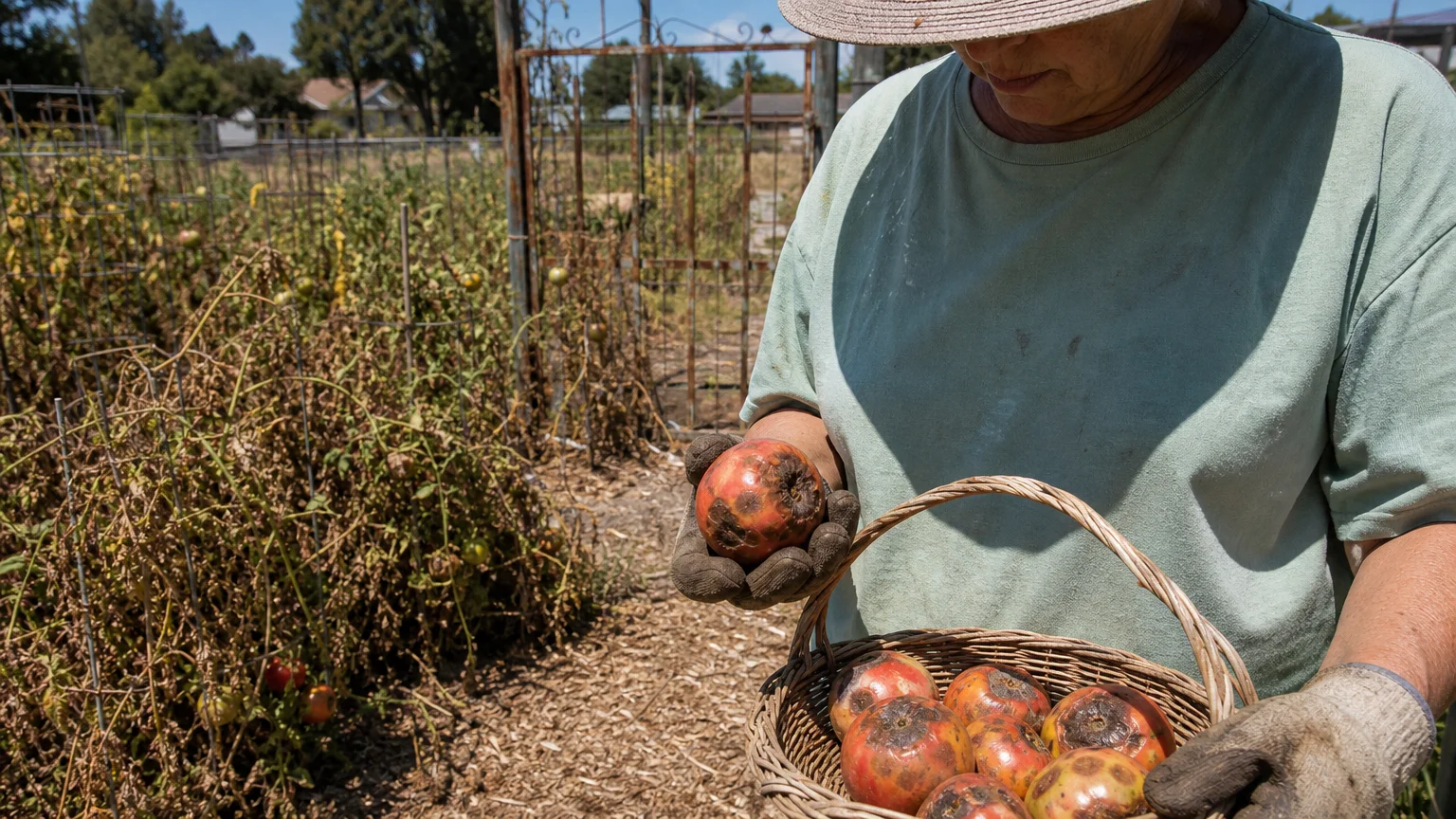
When aggressive plant diseases decimate summer crops, the consequences ripple far beyond the immediate, visible loss of vegetation. The human impact of widespread agricultural failure encompasses severe economic distress, localized food insecurity, and substantial psychological strain on farming communities. Whether you manage a large-scale commercial farming operation or depend on a backyard community plot to supplement your family’s grocery budget, watching months of careful labor collapse under a fast-moving wave of fungal or bacterial pathogens inflicts a devastating personal blow.
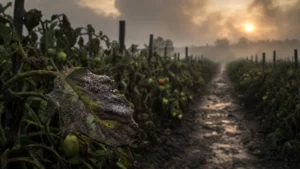
Economically, uncontrolled summer plant diseases obliterate agricultural profit margins and threaten livelihoods. A sudden, unpredicted outbreak of tomato late blight can force a commercial farm to abandon entire fields, resulting in hundreds of thousands of dollars in lost revenue, wasted labor, and unrecoverable supply costs. For the home grower, the financial sting of ruined summer gardening investments is compounded by the sudden need to purchase retail produce at inflated seasonal prices. The persistent threat of total crop loss generates intense anxiety among agricultural workers, who must constantly gamble their financial stability against unpredictable extreme weather patterns and microscopic, invisible pathogens.
Furthermore, severely diseased crops introduce secondary, indirect hazards into the human food chain. While the vast majority of plant pathogens do not directly infect human beings, the opportunistic molds and secondary decay bacteria that aggressively colonize rotting plant tissue can produce harmful mycotoxins. Consuming structurally compromised produce poses significant health risks, particularly for children and vulnerable populations. You must always ruthlessly cull and discard fruits and vegetables exhibiting soft rot, aggressive fungal lesions, or structural breakdown. Attempting to salvage heavily diseased harvest by cutting away the visible rot can lead to severe gastrointestinal distress, as toxins frequently penetrate much deeper into the fruit tissue than the naked eye can perceive.
Public health information at the CDC and the WHO. Environmental data via the EPA.
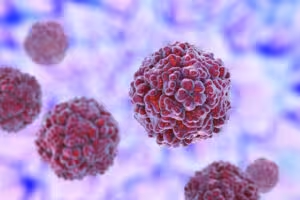
In response to these catastrophic agricultural outbreaks, state and federal emergency management requires strict quarantine protocols and immediate sanitation measures. When agricultural departments detect highly contagious, yield-destroying pathogens like the cucumber mosaic virus or devastating strains of rust fungi, they frequently mandate the immediate destruction of infected crops to establish defensive biological firebreaks. You must execute rigorous biosecurity measures in your own garden care routine to mirror these institutional responses. This involves sterilizing your pruning shears between cuts with a ten percent bleach solution, bagging and disposing of infected plant debris in municipal waste rather than your backyard compost, and strictly limiting foot traffic through damp, infected fields. By implementing these rapid, uncompromising response tactics, you disrupt the pathogen’s primary transmission vectors and shield the surviving, healthy vegetation from impending contamination.