Infrastructure & Environmental Effects
The physical destruction visited upon these cities effectively erased decades of urban development and triggered severe environmental crises. When you examine the aftermath of the Great Chicago Fire, you see a city reduced to a smoldering plain of ash. The intense heat, estimated to have reached over 2,000 degrees Fahrenheit, melted cast-iron building facades and shattered limestone block foundations. The city’s wooden sidewalks and pine-block paved streets acted as horizontal ladders for the flames, ensuring total destruction of the urban core. San Francisco experienced similar total devastation in 1906. The earthquake severed all major telegraph lines, twisted steel streetcar tracks into useless metallic knots, and shattered the city’s brick unreinforced masonry buildings. The ensuing fire systematically vaporized roughly 28,000 structures, leaving behind acres of charred rubble and triggering significant environmental contamination as ruptured sewer lines mixed with shattered industrial chemical stores.
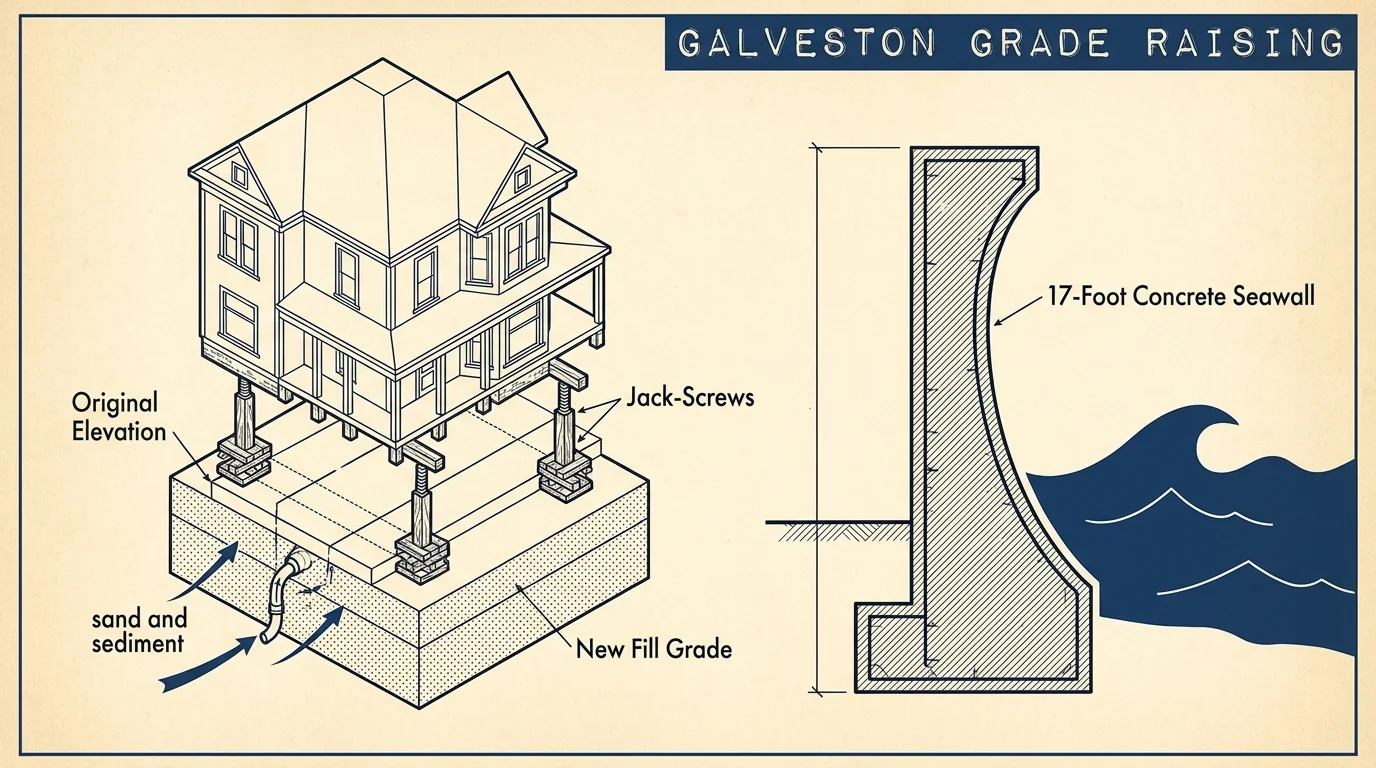
Water-driven disasters inflicted a very different type of structural violence. In Galveston, the storm surge physically lifted houses off their shallow pier-and-beam foundations. The violent wave action turned the fragmented lumber, slate roof tiles, and iron stoves into a grinding debris flow that scoured the island down to the bare sand. All three vital bridges connecting Galveston to the Texas mainland were completely destroyed, instantly isolating the surviving population from external aid. The Johnstown flood unleashed a similarly violent debris flow. As the floodwaters consumed downstream towns, they picked up thousands of miles of barbed wire from a destroyed wire works, hundreds of massive uprooted trees, and dozens of derailed passenger train cars. This massive, tangled dam of wreckage slammed into the city’s iconic stone railroad bridge, where it caught fire, burning trapped victims alive and creating a localized environmental disaster that poisoned the downstream river network for months.
Modern infrastructure proved equally vulnerable to extreme forces. Hurricane Andrew’s extreme winds stripped Homestead to its skeletal foundations. Commercial centers, power grids, and municipal water stations were entirely destroyed. The storm completely leveled the Homestead Air Force Base, destroying expensive military aircraft and rendering the strategic facility inoperable. Environmental damage was extensive, as the storm stripped the foliage from hundreds of square miles of the Everglades and disrupted delicate freshwater ecosystems. The 1946 and 1960 tsunamis in Hilo scoured the downtown commercial district with millions of tons of heavy seawater. The wave energy bent steel parking meters to the ground, snapped thick concrete utility poles, and dragged massive cargo ships deep into the city’s streets.
The infrastructure failure in New Orleans during Hurricane Katrina created an unprecedented urban environmental disaster. When the levees breached, approximately 80 percent of the city filled with a stagnant, toxic mixture of floodwater. You must understand that this water was heavily contaminated with raw sewage, heavy metals from submerged industrial sites, millions of gallons of spilled petroleum products, and household chemicals. This toxic mixture heavily polluted the soil and groundwater, making immediate rebuilding extremely dangerous. Prolonged inundation systematically rotted the wooden framing of historic homes, destroyed the electrical grids, and forced the eventual demolition of thousands of structurally compromised houses long after the floodwaters were finally pumped back into Lake Pontchartrain.