Infrastructure & Environmental Effects
The Dust Bowl fundamentally reshaped the physical and biological landscape of the Great Plains, inflicting long-term damage on both natural and man-made structures. The environmental consequences were stark and visible, a daily reminder of the unfolding catastrophe.
The most significant environmental effect was the catastrophic loss of topsoil. Topsoil is the fertile, nutrient-rich upper layer of earth essential for agriculture. It forms over thousands of years but can be lost in a single storm. During the 1930s, an estimated 850 million tons of topsoil blew away in 1935 alone. Across the region, vast areas were stripped down to the hardpan clay subsoil, rendering the land useless for farming. One farmer described the heartbreaking sight of his field being “skinned alive” by the wind, the dark, rich soil replaced by pale, sterile earth.
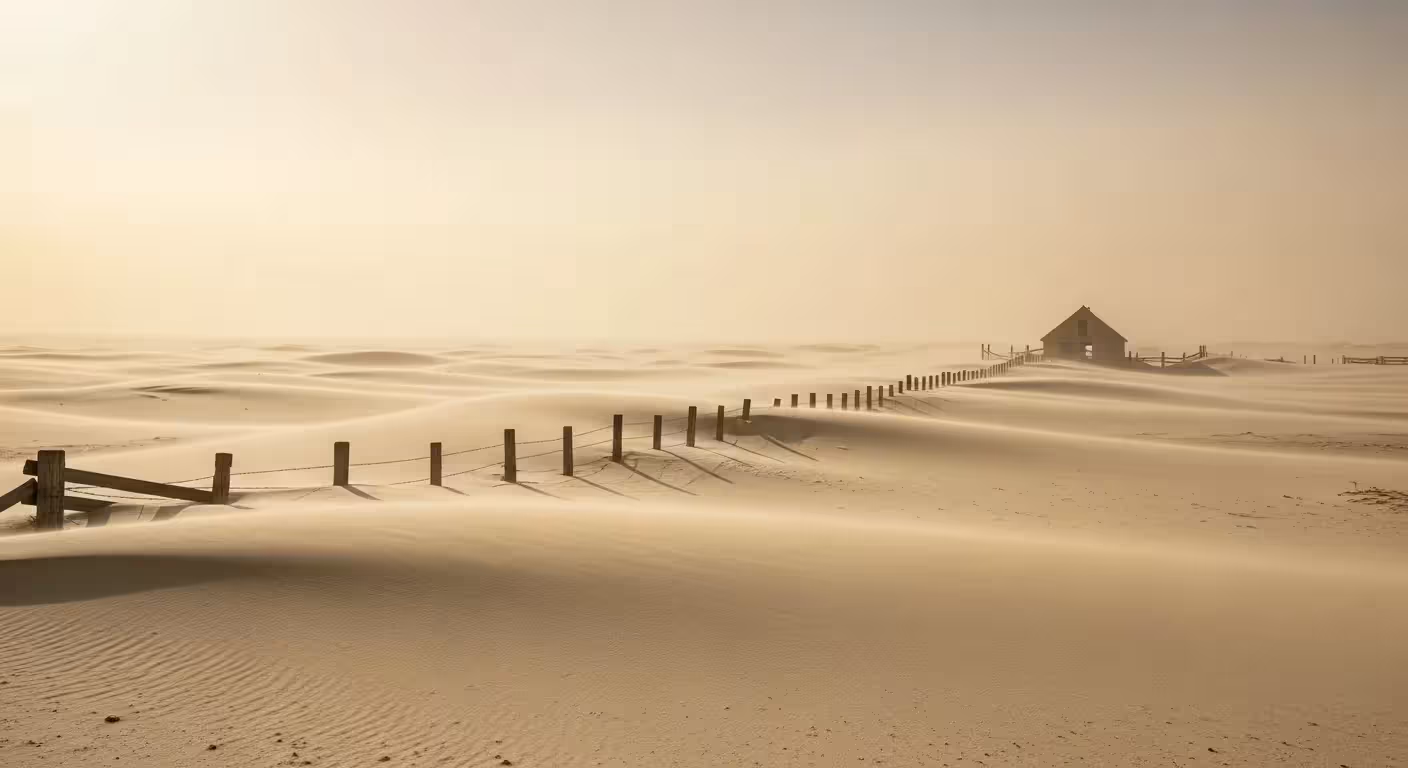
This blowing soil accumulated elsewhere, burying infrastructure under massive drifts of dust and sand. Fences, farm equipment, and even entire buildings were submerged. Personal accounts describe families having to shovel their way out of their homes after a storm. Roads became impassable, and railway lines had to be constantly cleared by special plows to keep transportation moving. A man from Kansas recalled, “We had a fence line that was four feet high. After a few of the big storms, you could step right over it. The dirt was just piled up against it, a long dune stretching as far as you could see.” This relentless accumulation created a surreal, desert-like landscape.
The ecological impact extended beyond the soil. The dust storms decimated plant and animal life. Crops that weren’t buried were scoured to shreds by the wind-driven sand. Livestock that weren’t sold or abandoned often died from starvation or from ingesting too much dust and sand, which clogged their digestive systems. Wildlife populations plummeted as their habitats were destroyed. Jackrabbits, overrunning the barren land in search of any remaining vegetation, became a plague, and communities organized massive “rabbit drives” to cull them.
Water sources were also severely affected. The drought dried up rivers, creeks, and ponds. The dust that settled in the remaining water bodies choked aquatic life and made the water undrinkable for both humans and animals. Wells ran dry, forcing families to haul water from miles away, if it could be found at all. The lack of water was a constant, life-threatening pressure.
Recovery and remediation were monumental tasks. After the drought broke, the newly formed Soil Conservation Service (SCS) led efforts to restore the land. They implemented large-scale projects to re-seed the prairies with native grasses and to plant millions of trees in “shelterbelts.” These rows of trees were designed to break the force of the wind, reduce evaporation, and hold the soil in place. This was a long, arduous process of ecological repair, undoing the damage of a few decades of unsustainable farming. The land would eventually recover, but the deep scars remained.