FAQs
Is it safe to visit the Chernobyl Exclusion Zone?
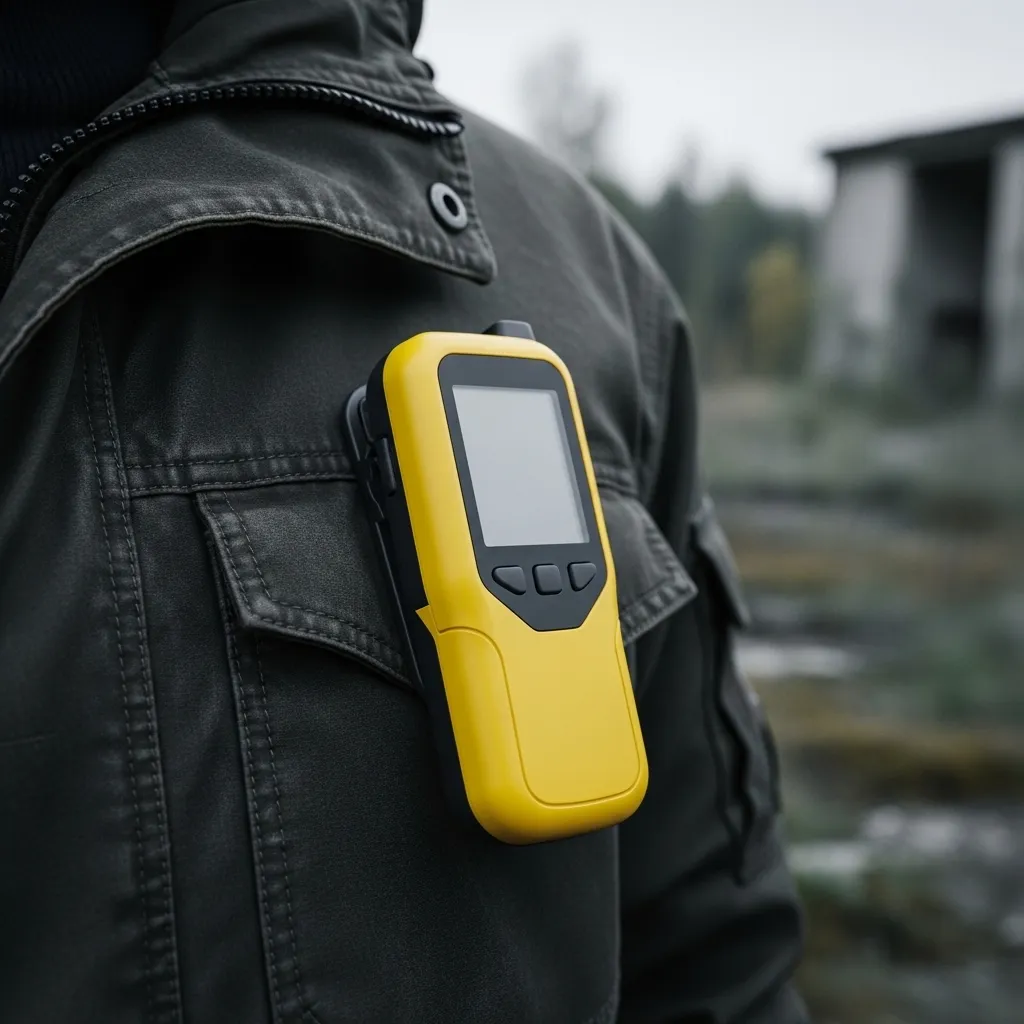
Yes, under strict conditions. Official guided tours take visitors along specific, approved routes where ambient radiation levels are low. Tourists must follow safety rules, such as not touching objects or eating outdoors, and are monitored with dosimeters. For a short, controlled visit, the radiation dose received is considered minimal and poses a negligible health risk.
What is the “Elephant’s Foot”?
The “Elephant’s Foot” is the nickname for a large mass of corium, a lava-like mixture of melted nuclear fuel, control rods, and structural materials from the reactor. It formed in the basement levels beneath the reactor core and remains extraordinarily radioactive. While its radioactivity has decayed significantly since 1986, it is still one of the most hazardous objects at the Chernobyl site.
Are the animals in Chernobyl mutated?
This is a common misconception largely fueled by science fiction. While scientists have observed some minor abnormalities and genetic changes in certain animal populations, there is no evidence of widespread, dramatic mutations. The most significant ecological story of Chernobyl is the remarkable recovery of animal populations due to the absence of human activity, turning the Zone into a unique wildlife refuge.
Will the Exclusion Zone ever be habitable again?
For the most part, no. The areas closest to the reactor, which are contaminated with long-lived isotopes like Plutonium-239 (half-life of 24,100 years), will remain unsafe for human habitation for tens of thousands of years. Some areas on the Zone’s periphery with lower levels of contamination may one day be suitable for industrial use or controlled agriculture, but resettlement of cities like Pripyat is not considered a possibility.
What is Chernobyl like now after the 2022 Russian invasion?
In February 2022, Russian forces occupied the Chernobyl Nuclear Power Plant for over a month. Their presence raised international alarm, as their military activities, including digging trenches in highly contaminated areas like the Red Forest, disturbed radioactive soil and posed a health risk to the soldiers themselves. The plant is now back under full Ukrainian control, and international monitors continue to assess the site for any long-term damage or increased radiological risk resulting from the occupation.
This article is for informational purposes only and is not a substitute for professional emergency guidance. Conditions, official policies, and scientific understanding of disaster events are subject to change. Always consult official agencies and local authorities for the most current information and safety procedures.