
Human Impact & Response
The abandonment of a town due to environmental disaster inflicts deep and lasting trauma on its residents. The impacts are not limited to financial loss but extend to profound public health crises, the disintegration of social bonds, and lasting psychological distress. These are not merely empty places; they are the sites of profound human displacement.
The most direct human impact is on physical health. In places like Picher, Oklahoma, years of exposure to lead dust from the chat piles resulted in alarmingly high rates of developmental and learning disabilities in children. In Wittenoom, the legacy of asbestos exposure is a multigenerational tragedy of mesothelioma and other fatal respiratory diseases. The invisible threat of radiation around Chernobyl and Fukushima has led to long-term health monitoring for cancer and other illnesses among former residents and cleanup workers, known as liquidators.
The process of evacuation and relocation, even when necessary, is itself a traumatic event. Residents are forced to abandon their homes, their possessions, and the communities they have known their entire lives. The social fabric of the town is irrevocably torn apart. Neighbors are scattered, community traditions are lost, and a shared sense of place is erased. This loss can lead to what sociologists call “solastalgia,” a form of emotional or psychic distress caused by environmental change. The stress of uncertainty, the fight for compensation, and the grief over a lost home can have severe and long-lasting mental health consequences.
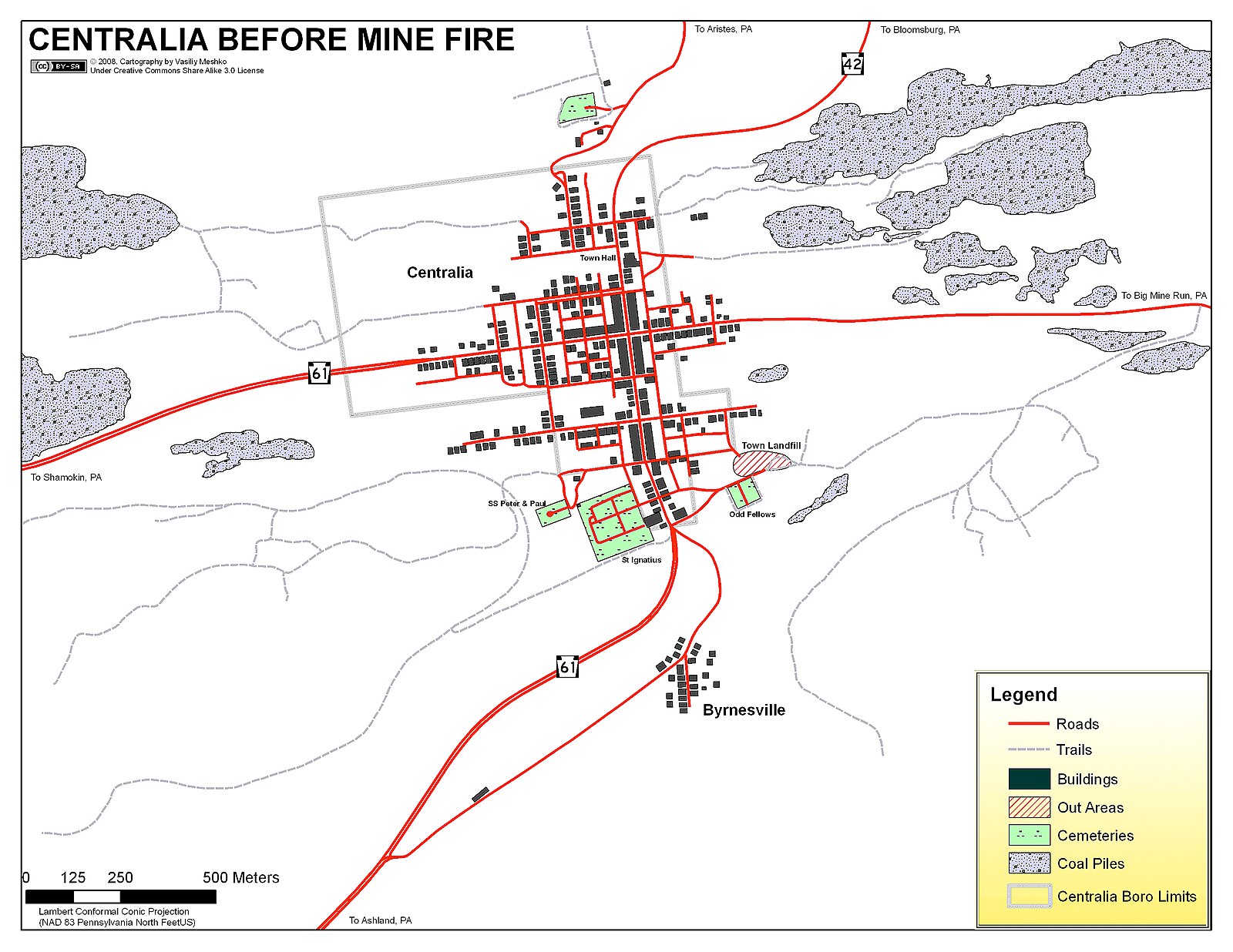
The response from authorities is often a critical factor in the human experience of these disasters. In many cases, the initial response is slow, marked by denial from corporate or government entities. This was the case for years in Centralia, where residents’ concerns about the underground fire were initially dismissed. This inaction can breed deep mistrust and a sense of betrayal. However, a comprehensive and compassionate response can mitigate some of the trauma. The full federal buyout of Times Beach, while drastic, provided residents with the financial means to start over elsewhere and prevented a protracted public health crisis. The decision by the people of Pattonsburg to relocate as a community helped preserve their social bonds, a rare positive outcome in the face of such loss. Public health information at the CDC and the WHO is now a critical component of managing the human side of these environmental emergencies.