FAQs
What is the most famous abandoned town in the US?
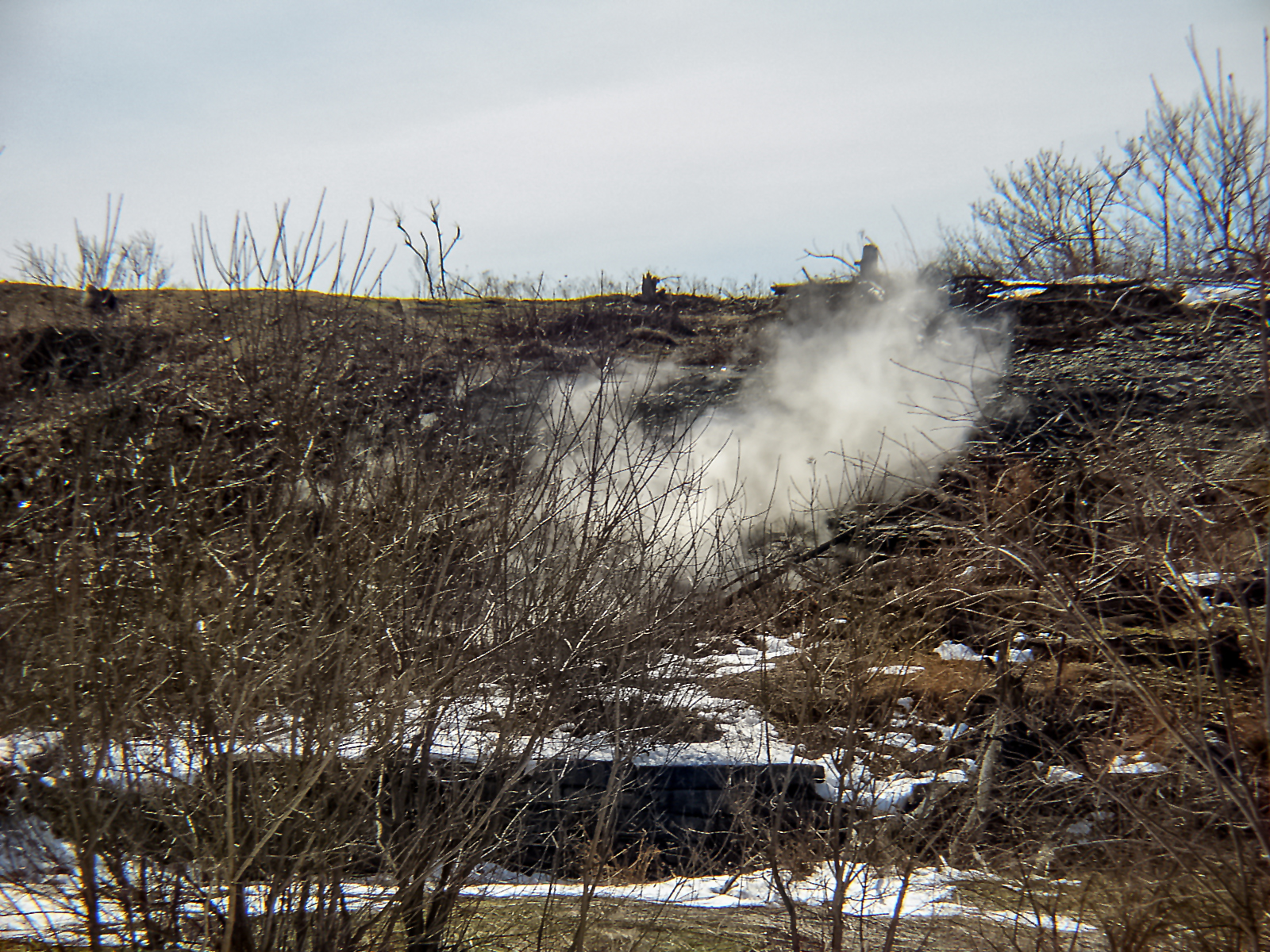
Centralia, Pennsylvania, is widely considered the most famous abandoned town in the United States. Its compelling story of an underground coal mine fire that started in 1962 and continues to burn today has captured public imagination. The visible signs of the disaster, such as the cracked, steaming highway known as the “Graffiti Highway” (now covered), made it a symbol of slow-moving environmental catastrophe.
Why do towns become ghost towns?
Towns become abandoned for a variety of reasons. Historically, many were abandoned due to economic shifts, such as the depletion of a local resource like gold or timber. However, as this article highlights, a significant number of modern ghost towns were created by environmental disasters, including long-term contamination from industrial waste, mining, nuclear accidents, or ecological collapse that rendered them unsafe for human life.
Is it safe to visit abandoned places?
Generally, it is not safe or legal to visit many of these abandoned places. Sites like Picher, Centralia, and Gilman are often contaminated with invisible hazards like toxic metals, asbestos, or dangerous gases. Furthermore, structures are unstable and prone to collapse. Most of these sites are private property or government-controlled hazardous zones, and entering them constitutes trespassing.
What is “dark tourism” and is it ethical?
Dark tourism is travel to sites associated with death, tragedy, or disaster. The ethics of it are complex and depend heavily on the motivation and behavior of the tourist. When done respectfully, with a focus on learning, remembrance, and bearing witness, it can be educational. However, it becomes unethical when it is sensationalistic, disrespectful to victims, or involves dangerous and illegal activities like trespassing for thrills.
What is being done to clean up these ghost towns?
Cleanup efforts vary greatly depending on the type and scale of contamination. In the United States, many of the most polluted towns, like Picher and Times Beach, have been managed under the EPA’s Superfund program. This involves massive, multi-decade projects to remove, contain, or neutralize the hazardous materials. For nuclear sites like Chernobyl, efforts focus on containing the source of radiation and allowing time for natural radioactive decay, as full cleanup is not currently possible.
This article is for informational purposes only and is not intended as emergency or safety advice. Always consult with official agencies and local authorities for the most current information and guidance. Conditions at these sites are dangerous and subject to change.
Emergency guidance at the FEMA and hazard science at the USGS and NOAA/NWS.