Causes & Mechanisms
Industrial disasters are rarely caused by a single point of failure. Instead, they typically result from a chain of events where multiple safety barriers are breached. Investigators often use root cause analysis, a method of problem-solving that aims to identify the fundamental, underlying cause of an issue rather than just its immediate symptoms. This approach often reveals systemic flaws in what is known as process safety.
Process safety is a disciplined framework for managing the integrity of operating systems and processes that handle hazardous substances. It focuses on preventing unplanned releases of chemicals, energy, or other dangerous materials. When process safety fails, the consequences can be catastrophic, as seen in America’s worst industrial events.
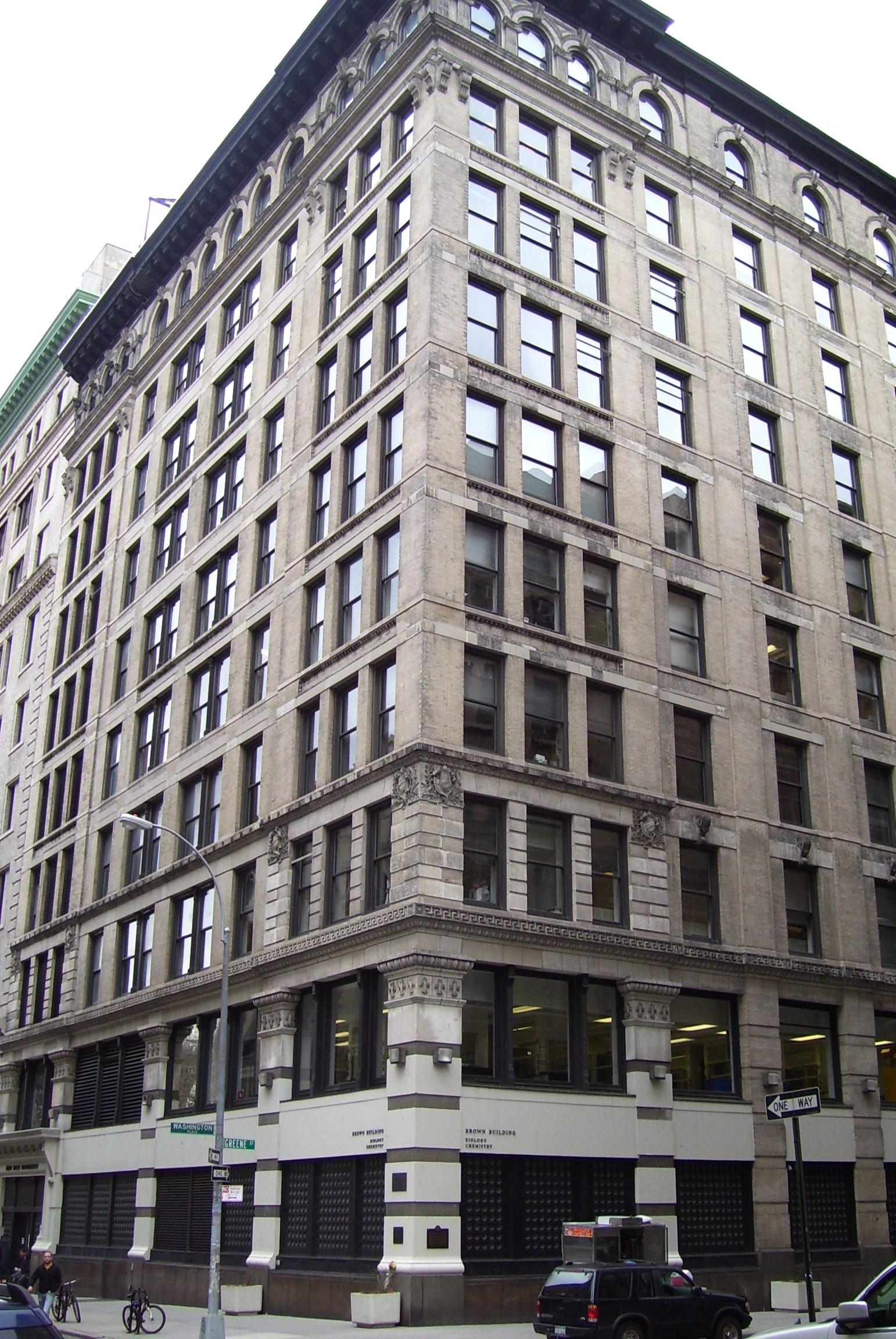
The Triangle Shirtwaist Factory Fire: A Failure of Egress
The mechanism behind the 1911 Triangle Shirtwaist Factory fire was tragically simple: a combustible environment combined with an almost complete lack of safe escape routes. The factory floors were filled with flammable materials, including cotton fabric, cloth scraps, and textile dust, which can ignite and burn with explosive speed. The fire likely started from a discarded cigarette or match in a scrap bin.
Once the fire began, its rapid spread was predictable. However, the true cause of the high death toll was the systematic failure of egress. Factory owners had locked one of the main exit doors to prevent workers from taking unauthorized breaks or stealing materials. The primary fire escape was poorly constructed and collapsed under the weight of fleeing workers. Fire department ladders, at their maximum extension, could only reach the sixth floor, leaving those on the eighth, ninth, and tenth floors trapped. This disaster was not primarily a failure of firefighting technology but a fundamental failure of building safety and workers’ rights.
The Texas City Disaster: The Chemistry of a Catastrophe
The 1947 Texas City disaster was driven by the volatile chemical properties of ammonium nitrate, a compound used as both a fertilizer and an explosive. The SS Grandcamp was loaded with approximately 2,300 tons of the substance. Ammonium nitrate is an oxidizer, meaning it readily provides oxygen to support a fire, even in an enclosed space. When heated under confinement, it can decompose and produce gases that build immense pressure.
A small fire in the ship’s hold initiated the disaster. The crew’s response, pumping steam into the hold to extinguish the flames, was a catastrophic mistake. The steam added more heat and pressure, accelerating the decomposition of the ammonium nitrate until it reached a critical point. At 9:12 AM, the entire cargo underwent a detonation, a supersonic explosion that releases a devastating shockwave. This is different from a deflagration, which is a subsonic combustion like a fire.
Mini-Example: Understanding the Blast: The energy released by the 2,300 tons of ammonium nitrate was equivalent to roughly 2.7 kilotons of TNT. The shockwave leveled over 1,000 buildings, shattered windows 40 miles away, and knocked two small planes out of the sky. The blast ignited nearby chemical tanks and set off a chain reaction of fires and a second, massive explosion the next day when the SS High Flyer, also carrying ammonium nitrate and sulfur, detonated. The root causes included poor storage and handling procedures, a lack of awareness of the material’s explosive potential, and inadequate emergency response training.
Deepwater Horizon: A Cascade of Technical Failures
The Deepwater Horizon disaster in 2010 was a failure of modern, complex engineering. It occurred during the process of temporarily sealing the Macondo oil well, located nearly 5,000 feet below the surface of the Gulf of Mexico. The immediate cause was a blowout, an uncontrolled surge of high-pressure oil and natural gas from the wellbore to the surface.
The blowout was the result of a cascade of intersecting failures, a classic example of the “Swiss Cheese Model” of accident causation, where holes in multiple layers of defense line up. The primary cement job at the bottom of the well was flawed, allowing hydrocarbons to leak into the well. Subsequent pressure tests were misinterpreted, giving a false sense of security. As gas surged up the drill pipe, it overwhelmed the rig’s defenses.
Mini-Example: Failure of the Blowout Preventer (BOP): The final line of defense was the blowout preventer, a massive, 400-ton stack of valves on the seafloor designed to shear the drill pipe and seal the well in an emergency. The BOP failed to activate properly. A post-accident investigation by the NTSB and other agencies found that the immense pressure of the surging gas caused the drill pipe to buckle and bend, preventing the BOP’s powerful “blind shear rams” from cutting the pipe and sealing the well. This single mechanical failure, itself the result of a series of preceding human and procedural errors, allowed millions of barrels of oil to escape into the ocean.