Lessons & Reforms
While born from tragedy, industrial disasters have been powerful catalysts for legal, regulatory, and cultural change. The lessons learned from these events have fundamentally reshaped American standards for workplace safety and environmental protection.
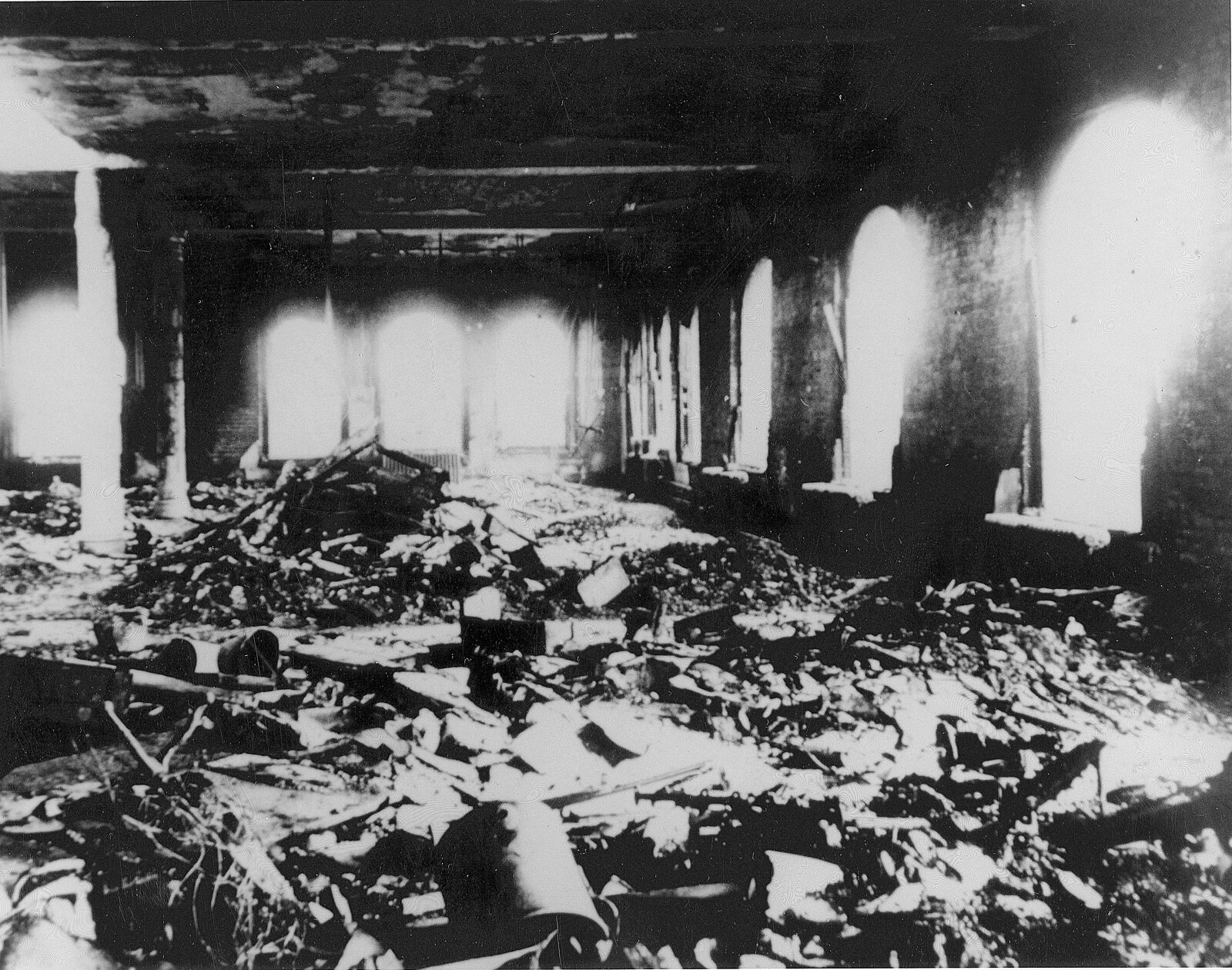
Lessons from the Triangle Shirtwaist Fire
The public horror following the Triangle fire created an unstoppable momentum for reform. The disaster starkly illustrated that corporate profits were being prioritized over human lives. In response, New York State established the Factory Investigating Commission, a groundbreaking legislative body led by reformers like Frances Perkins, who would later become the U.S. Secretary of Labor.
The Commission’s investigation led to the passage of 38 new laws in New York, creating one of the most comprehensive sets of workplace safety regulations in the world at the time. These laws mandated automatic sprinklers in high-risk buildings, required fire drills, mandated that exit doors remain unlocked and swing outward, and established better sanitation and working conditions. The Triangle fire did not just change building codes; it energized the American labor movement and helped build the political will for the New Deal labor protections enacted two decades later.
Lessons from the Texas City Disaster
The Texas City disaster revealed a profound ignorance about the dangers of industrial chemicals and a lack of regulation for their handling and transport. In the aftermath, sweeping changes were made to the rules governing ammonium nitrate. New regulations were implemented for its production, packaging, and shipping, including requirements for specific container types, proper ventilation, and clear hazard labeling.
The disaster also had a major legal legacy. It resulted in over 8,000 lawsuits against the U.S. government, consolidated into a class-action case, Dalehite v. United States. The plaintiffs argued that the federal government was negligent in its manufacturing and handling of the material. Although the Supreme Court ultimately ruled in favor of the government, the case highlighted the responsibility of entities that handle hazardous materials and influenced subsequent legal thinking on corporate and government liability in industrial accidents.
Lessons from the Deepwater Horizon Spill
The Deepwater Horizon spill exposed significant weaknesses in the regulation of the offshore oil and gas industry. The federal agency responsible, the Minerals Management Service (MMS), was widely criticized for being too close to the industry it was supposed to regulate. The disaster demonstrated a failure of both corporate risk management at BP and of government oversight.
In response, the Obama administration undertook a major overhaul of offshore energy regulation. The MMS was dissolved and its functions were split among three new agencies to separate safety enforcement from revenue collection. The government imposed a temporary moratorium on new deepwater drilling to allow for a comprehensive review of safety procedures. Subsequently, new federal rules were implemented, known as the Well Control Rule, which mandated stricter standards for the design and testing of blowout preventers, better well cementing practices, and required companies to have more robust plans for responding to a potential blowout. The disaster underscored the need for a strong, independent regulatory body and a corporate culture that prioritizes safety over speed and cost-cutting.
Transport and workplace investigations via the NTSB and OSHA. Risk reduction resources at the UNDRR.