FAQs
What is considered the deadliest industrial disaster in American history?
The Texas City disaster of 1947 is widely considered the deadliest industrial accident in U.S. history, with an official death toll of 581. The massive detonation of the SS Grandcamp caused widespread destruction, and the actual number of fatalities is believed to be higher due to the number of unidentified victims and missing persons.
Why was the Triangle Shirtwaist Factory fire so significant?
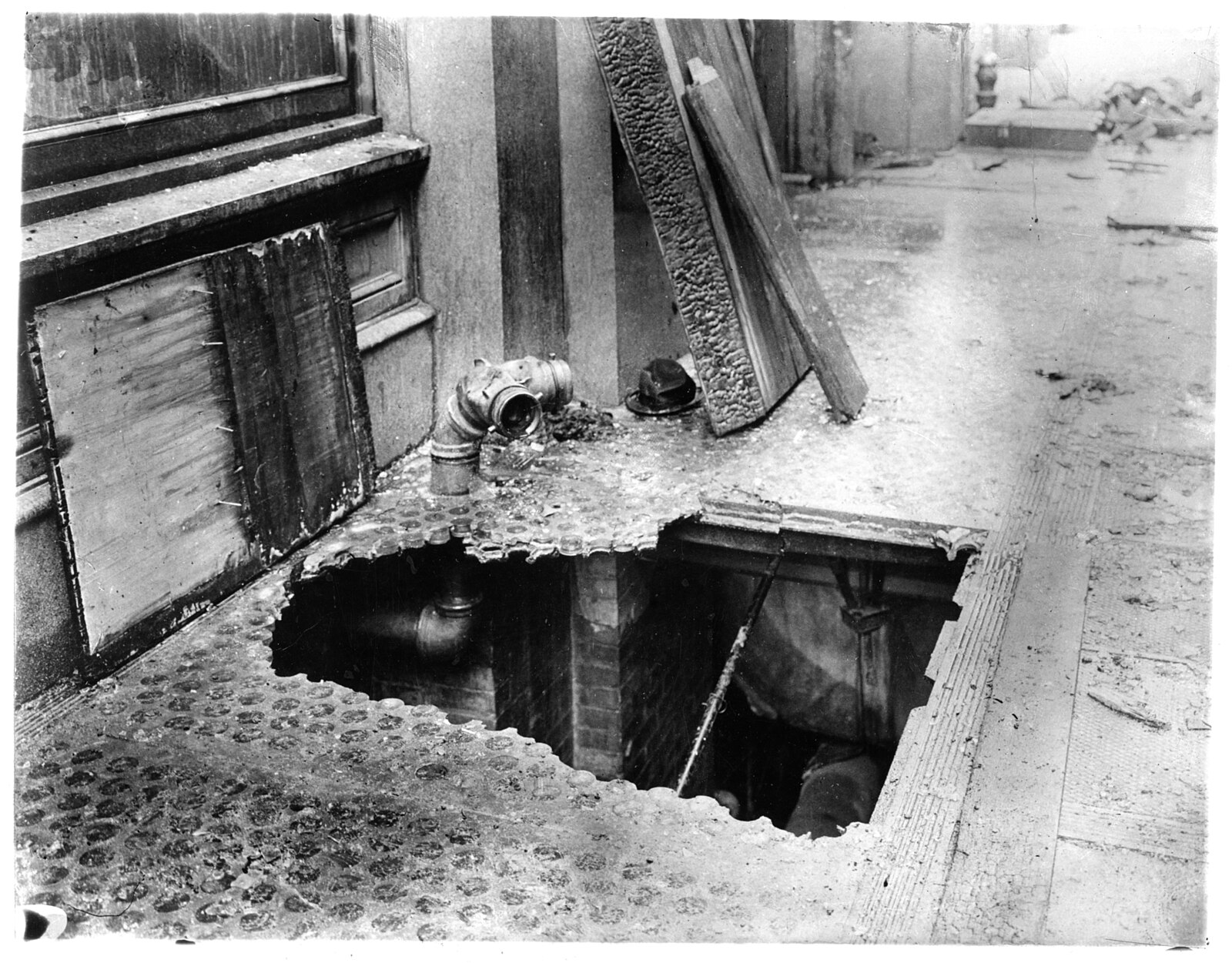
The Triangle fire was a landmark event in American labor and political history. Its high death toll, the tragic circumstances of the victims, and the clear evidence of owner negligence created a massive public outcry. This public pressure led to comprehensive workplace safety reforms and energized the labor movement, making it a pivotal moment in the fight for workers’ rights in the United States.
How could process safety have prevented the Texas City disaster?
Process safety is a system for managing hazardous materials. In Texas City, a robust process safety culture would have recognized ammonium nitrate as a high-hazard material requiring strict protocols. This would have included prohibiting its storage in a confined, poorly ventilated ship’s hold, ensuring proper firefighting techniques were known to the crew and first responders, and maintaining a safe distance between hazardous cargo and populated areas.
Did the owners of the Triangle Shirtwaist Factory face legal consequences?
The factory owners, Max Blanck and Isaac Harris, were indicted on charges of manslaughter. However, their defense attorneys argued that they were not aware the exit door was locked on the day of the fire. They were acquitted in a controversial verdict that fueled further public anger and strengthened the argument that systemic legal reform, not just individual prosecution, was necessary.
What are the lasting environmental effects of the Deepwater Horizon oil spill?
More than a decade later, the Gulf of Mexico ecosystem is still recovering. Scientists have documented long-term damage to deep-sea coral habitats, persistent health problems in dolphin populations, and slower growth rates in some fish species. While the surface of the Gulf may appear clean, significant amounts of oil remain on the seafloor and buried in coastal marshes, continuing to affect the food web.
How have industrial safety regulations evolved since these events?
Each major disaster has driven a new wave of regulation. The Triangle fire led to modern fire safety and building codes. The Texas City disaster and similar chemical accidents in the following decades led to the creation of the Occupational Safety and Health Administration (OSHA) and the Environmental Protection Agency (EPA), as well as laws like the Process Safety Management (PSM) standard. The Deepwater Horizon spill prompted stronger federal oversight of offshore drilling and new technical requirements for well control equipment.
This article is for informational purposes only and is not a substitute for official emergency guidance. Conditions, policies, and scientific understanding can change. Please consult official agencies like FEMA, OSHA, and the EPA, as well as your local authorities, for the most current and accurate information.