Infrastructure and Societal Effects
While these tragedies did not involve the widespread destruction of public infrastructure seen in natural disasters, the annihilation of the groups’ self-contained worlds and the subsequent impact on American society were profound.
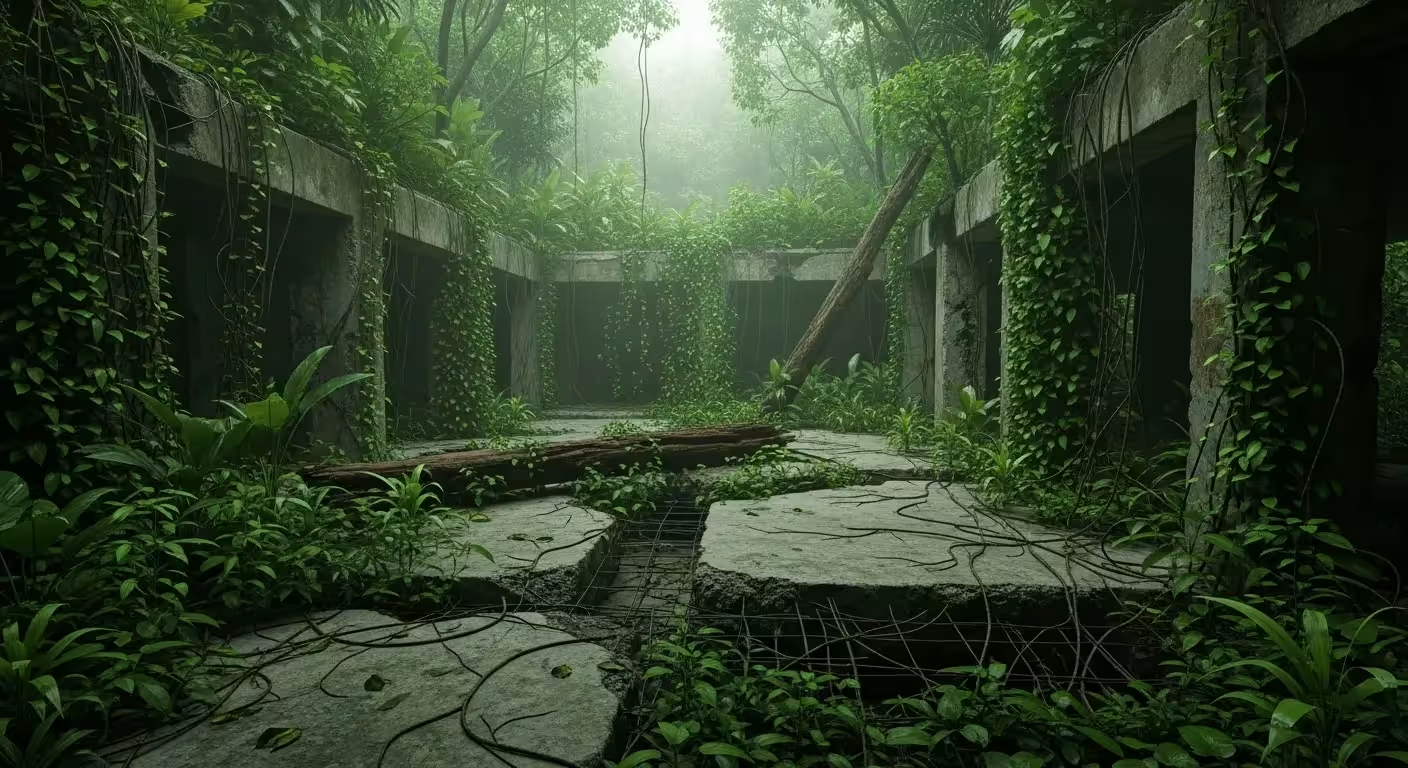
Jonestown was a completely self-sufficient settlement built from scratch in the Guyanese jungle. It included housing, a communal kitchen, a school, a medical clinic, and agricultural fields. Its physical destruction was absolute, as the site was abandoned and reclaimed by the jungle after the massacre. The more significant “infrastructure” destroyed was the social structure of the Peoples Temple itself—a network that once included thousands of members and held tangible political power in California. The investigation, hampered by the location, relied on documents and audio tapes recovered from the site, which provided chilling insight into the settlement’s final hours.
Similarly, the Mount Carmel Center in Waco was more than just a building; it was the physical and spiritual heart of the Branch Davidian community. Its complete destruction by fire erased the primary location of the alleged crimes the ATF was investigating and the scene of the siege itself. This complicated subsequent investigations into the actions of both the Davidians and law enforcement. The environmental consequences were localized, and federal agencies like the EPA were involved in the site cleanup. The long-term societal effect, however, was far greater.
The societal “fallout” from Waco was immense. It triggered years of litigation, congressional hearings, and public debate over religious freedom, the use of military-style tactics by civilian law enforcement, and the role of the media in crisis situations. The event damaged public trust in federal agencies, particularly the ATF and FBI, and contributed to a climate of intense political polarization. It forced a national conversation about how the government should interact with unconventional religious groups, especially those that are armed and isolated.
Emergency guidance at the FEMA often deals with community recovery after a disaster. The recovery from Waco was not about rebuilding structures, but about attempting to rebuild trust and re-evaluate federal law enforcement protocols, a process that continues to be debated decades later. Investigations by agencies like the NTSB and OSHA handle transport and workplace incidents, but no single agency was equipped to handle the complex socio-legal disaster that Waco became.