Infrastructure & Environmental Effects
The power of these natural disasters is written in the landscapes they scar and the cities they level. The damage to infrastructure and the environment is often a primary driver of historical change, forcing societies to rebuild, relocate, or redesign their world.
The eruption of Vesuvius had a profound and unique effect on infrastructure. It did not just destroy Pompeii and Herculaneum; it preserved them. The layers of ash and pumice created an anaerobic environment, protecting buildings, frescoes, mosaics, and even everyday objects from decay for centuries. When excavated, these cities provided a near-perfect snapshot of Roman urban infrastructure, from roads and aqueducts to homes and shops. The environmental impact was regional, with ashfall affecting agriculture and air quality across that part of Italy, but the primary legacy was archaeological.
In Lisbon, the 1755 earthquake caused the near-total destruction of the city’s infrastructure. An estimated 85% of its buildings were destroyed by the combination of shaking, the tsunami, and the subsequent firestorm. This included opulent palaces, major libraries, and dozens of historic churches. The environmental effects included the tsunami scouring the coastline and the massive fires releasing plumes of smoke that shrouded the city for days. The destruction was so complete that it presented a blank slate for urban planners, an opportunity to rebuild a modern city from the ashes of the medieval one.
The Galveston Hurricane of 1900 effectively wiped out the city’s infrastructure. Over 3,600 homes were destroyed, and a crescent-shaped sandbar where the city had stood was reduced to rubble. All bridges to the mainland were washed away, along with miles of streetcar tracks, water mains, and electrical lines. The port, the heart of Galveston’s economy, was devastated. The environmental impact included massive coastal erosion and the deposition of a thick layer of salt-laden silt across the island, which ruined vegetation and contaminated freshwater sources.
The 1815 eruption of Mount Tambora had the most significant environmental effects of these examples. The eruption column reached an altitude of 27 miles, injecting millions of tons of sulfur dioxide gas into the stratosphere. This gas converted into sulfate aerosols that formed a reflective veil around the planet, reducing the amount of sunlight reaching the Earth’s surface. This caused a global average temperature drop of about 0.7–1.4 degrees Fahrenheit, a significant change that disrupted weather patterns worldwide. It led to killing frosts in June and July in New England, monsoon failures in India, and persistent rain and cold in Europe. The environmental effects were global, long-lasting, and had severe secondary impacts on ecosystems and agriculture.
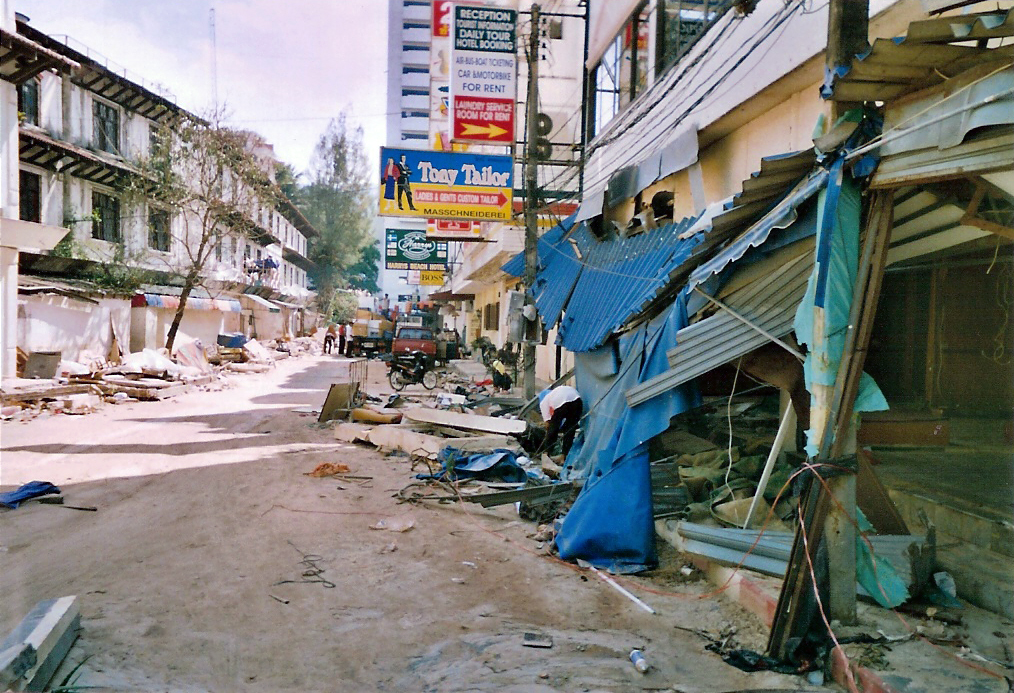
The 2004 Indian Ocean Tsunami caused catastrophic damage to coastal infrastructure across the region. The force of the water destroyed homes, schools, hospitals, roads, bridges, and fishing fleets. In some areas, the inundation extended for miles inland. The environmental consequences were equally severe. The powerful waves caused extreme coastal erosion, destroyed coral reefs, and inundated agricultural land with saltwater, rendering it infertile for years. Mangrove forests, which serve as natural coastal barriers, were damaged in many areas. The remediation efforts were immense, involving not just rebuilding but also projects aimed at restoring coastal ecosystems to provide a natural defense against future tsunamis.
Public health information at the CDC and the WHO. Environmental data via the EPA.