Infrastructure and Environmental Effects
Beyond the human toll, cataclysmic natural disasters fundamentally reshape landscapes and destroy the built environment. The recovery of infrastructure—homes, transportation, and utilities—can take decades and billions of dollars, while the environmental consequences can be permanent.
Shaanxi Earthquake (1556)
The seismic event of 1556 leveled entire cities and towns. Historical accounts describe the near-total destruction of infrastructure in the hardest-hit provinces. Stone buildings, temples, city walls, and government offices collapsed. Roads were rendered impassable by landslides and massive ground fissures, isolating communities and hampering any relief efforts. The most unique aspect was the failure of the loess landscape itself. The collapse of the yaodongs was a catastrophic failure of a traditional building practice that was ill-suited to the seismic hazard. The quake also permanently altered the region’s topography, redirecting rivers and creating new hills through uplift and landslides, effects that are still visible today.
China Floods (1931)
The 1931 floods caused an infrastructural and agricultural collapse on an almost unimaginable scale. The primary damage was to the nation’s agricultural heartland. An estimated 15% of all farmland in China was inundated, destroying the primary source of food and income for tens of millions of people. Essential transportation infrastructure, including railways and roads, was washed away or submerged, paralyzing the movement of goods and people. Major industrial centers like Wuhan were underwater for months, crippling what little modern industry existed in the region. Environmentally, the floods washed away topsoil, contaminated freshwater sources with disease and pollutants, and altered the course of rivers, leaving behind a scarred and unproductive landscape that fueled the subsequent famine.
Indian Ocean Tsunami (2004)
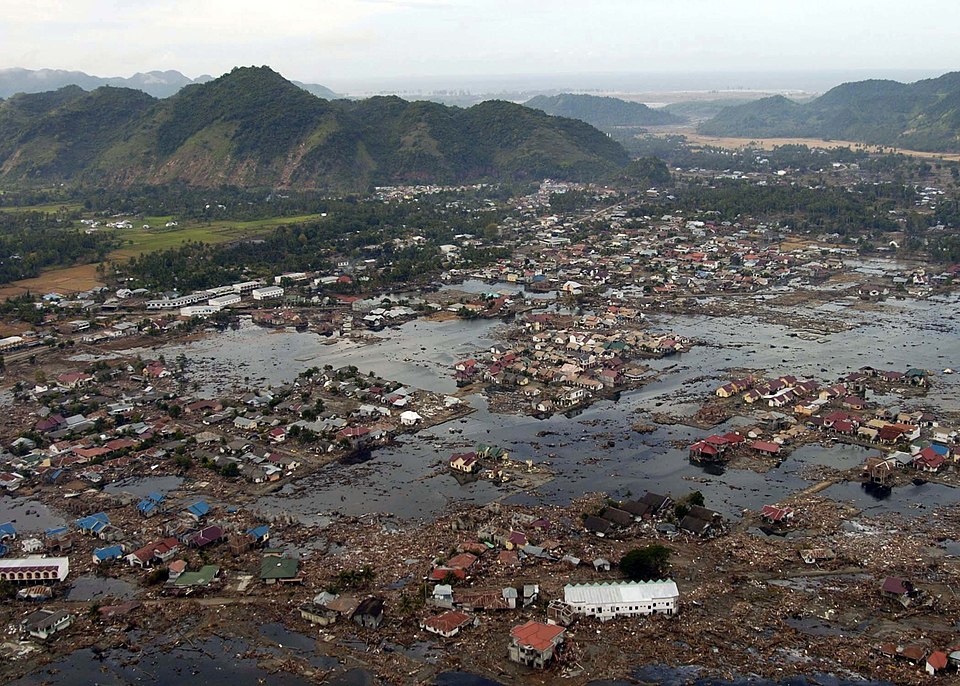
The 2004 tsunami inflicted colossal damage to the coastal infrastructure of nations around the Indian Ocean. Entire fishing villages, tourist resorts, homes, and businesses were pulverized by the force of the waves. Ports, roads, bridges, and power and communication lines were destroyed, severely complicating rescue and recovery operations. The environmental effects were equally severe and long-lasting.
A prime example is the impact on freshwater sources. The massive influx of seawater contaminated coastal aquifers and wells with salt, a process known as salinization. A mini-example of this process is a coastal village that relies on a shallow well for drinking water. After being inundated by a 30-foot tsunami wave, the freshwater lens floating atop the denser saltwater below is breached and mixed. The resulting brackish water is unsafe to drink and unusable for irrigating crops. Restoring such an aquifer can take years of natural flushing by rainwater or require expensive desalination technology, forcing the community to rely on trucked-in water for a long time. The tsunami also destroyed protective natural barriers like mangrove forests and coral reefs, leaving the coastline even more vulnerable to future storms. Environmental agencies like the EPA now study these long-term impacts to inform coastal restoration projects.