
Overview
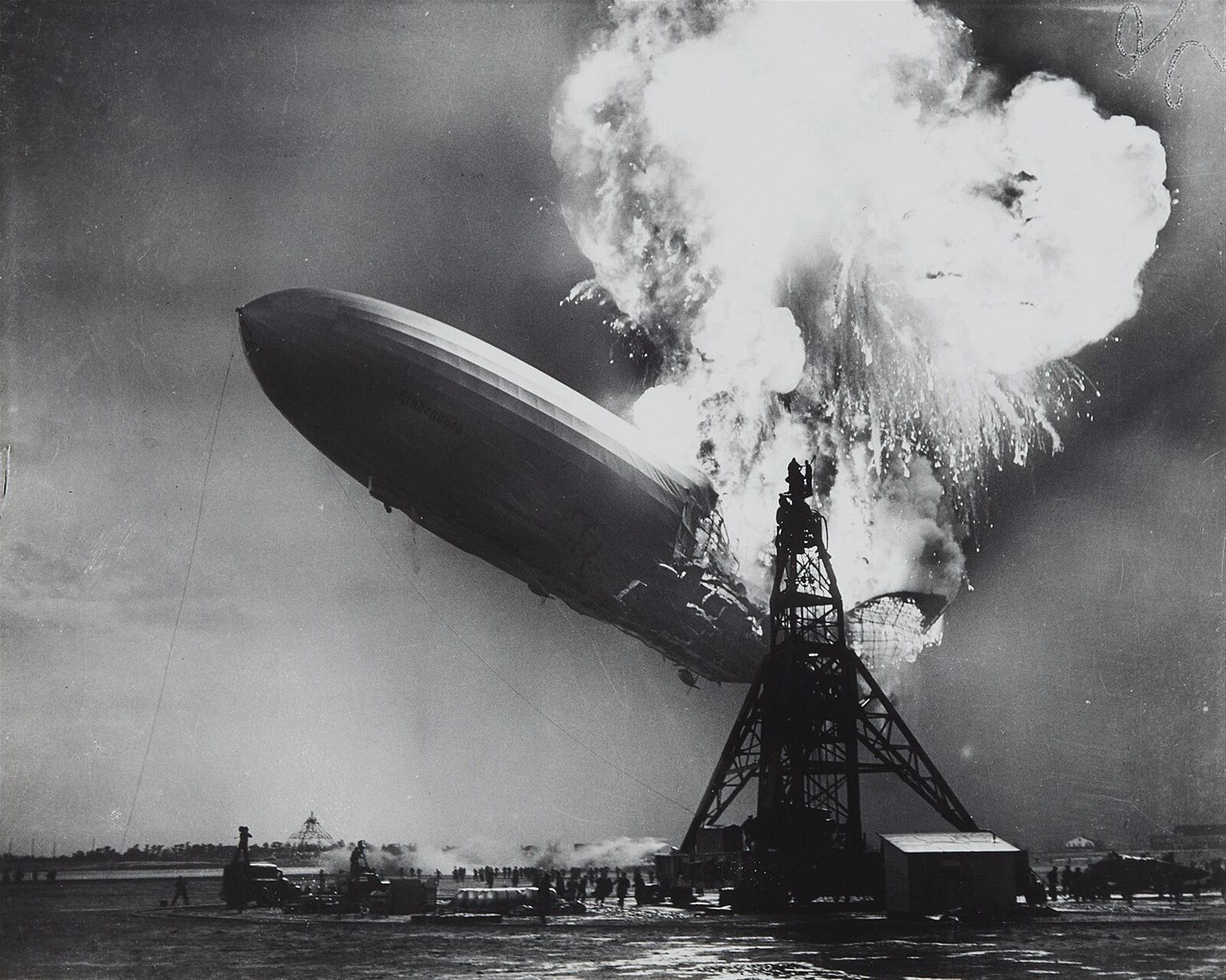
On May 6, 1937, the German passenger airship LZ 129 Hindenburg erupted into a catastrophic fire while attempting to land at the Naval Air Station in Lakehurst, New Jersey. The spectacle of the massive, silver zeppelin being consumed by flames in just over 30 seconds was captured by newsreel cameras and in a now-famous radio broadcast, searing the event into public memory. The disaster killed 35 of the 97 people on board, plus one member of the ground crew, and effectively brought the age of commercial airship travel to an abrupt and fiery end. For decades, the exact cause has been the subject of debate, fueling theories from sabotage to exotic chemical reactions. This article examines the evidence behind one of the most iconic historical disasters of the 20th century. While many unsolved mysteries persist in popular culture, a thorough analysis points to a convergence of known scientific principles and engineering choices. The disaster was not a true explosion in the conventional sense but a rapid, intense fire, most likely initiated by an electrostatic discharge that ignited leaking hydrogen, the highly flammable gas used to keep the colossal airship afloat.