
Human Impact & Response
The human impact of a presidential death extends far beyond the immediate casualty. When you look at the physical toll of these events, you must also account for secondary injuries and collateral trauma. During the Lincoln assassination, Major Henry Rathbone suffered severe lacerations after attempting to subdue the attacker. In 1963, Texas Governor John Connally sustained critical ballistic injuries alongside President Kennedy. Beyond physical injuries, the first responders—from the theater patrons in 1865 to the trauma surgeons at Parkland Hospital in 1963—faced immense psychological pressure. They operated in highly chaotic, unsecured environments where the fate of the national executive rested entirely in their hands.
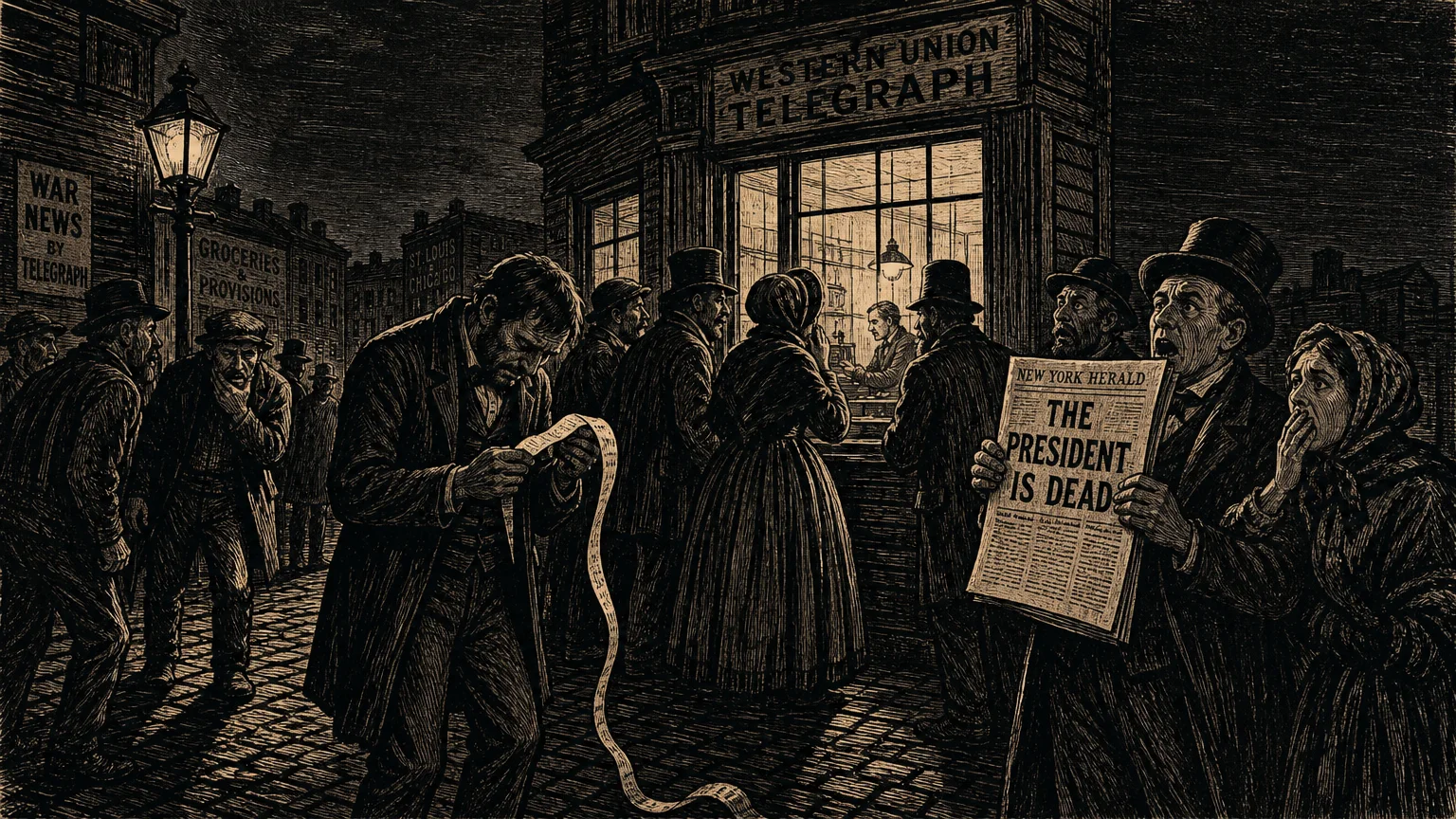
The psychological shock to the American public operates as a massive sociological disaster. Following the deaths of Lincoln, FDR, and Kennedy, the nation experienced profound collective mourning and anxiety. The abrupt disruption of leadership frequently caused immediate economic market shocks. For example, upon confirmation of Kennedy’s death, officials prematurely closed the New York Stock Exchange to prevent a catastrophic panic sell-off. You can observe how the sudden removal of a stabilizing national figure forces citizens to confront the fragile nature of their governmental institutions. In each historical instance, normal societal functions paused as authorities orchestrated massive, highly visible state funerals designed to restore public calm and demonstrate institutional resilience.
Emergency management and the immediate continuity of government serve as the primary institutional responses to these crises. When a president is assassinated or suddenly incapacitates, federal agencies must instantly pivot to secure the surviving executive leadership. The chaotic aftermath of the Kennedy assassination provides a prime example of this dynamic. Secret Service agents physically shielded Vice President Lyndon B. Johnson and aggressively expedited his transfer to Air Force One. The hasty swearing-in ceremony served dual purposes: it legally transferred commander-in-chief authorities and broadcasted a visual message of stability to global adversaries. You must recognize that the immediate hours following a presidential death represent the most vulnerable operational window for the United States government.
Public health and medical transparency also underwent severe stress tests during these events. Historically, the White House deliberately obscured the declining health of presidents like Harding and FDR to prevent public panic and political weakness. The resulting lack of transparent public health communication ultimately fueled rumors and eroded trust when these men suddenly died. Over time, the response to these medical disasters forced a shift in policy. Today, the public expects rigorous, transparent health evaluations of the commander in chief. The evolution of the White House Medical Unit directly stems from the failures to manage and communicate the acute medical crises of early twentieth-century presidents.










1 thought on “8 Presidential Deaths That Changed America”
This was a very well-written and researched article. I thought I knew this information already. I did not. I learned something today. Some of the presidents I’m familiar with, were actually beneficiaries of the 25th Amendment.