Natural disasters frequently serve as the hidden catalysts for human warfare, transforming environmental shocks into violent political conflicts. When extreme weather events or geological ruptures destroy infrastructure, wipe out crops, and deplete critical resources, the resulting economic collapse often shatters fragile social contracts. You will see how historical droughts, devastating cyclones, and catastrophic earthquakes have acted as severe threat multipliers that triggered revolutions, toppled empires, and ignited civil wars across centuries. Understanding the link between environmental hazards and geopolitical instability reveals why proactive disaster management remains essential for global peace. By examining these eleven critical intersections of nature and conflict, you can recognize the warning signs that precede sociopolitical collapse and appreciate the urgent need for robust infrastructure.
Overview
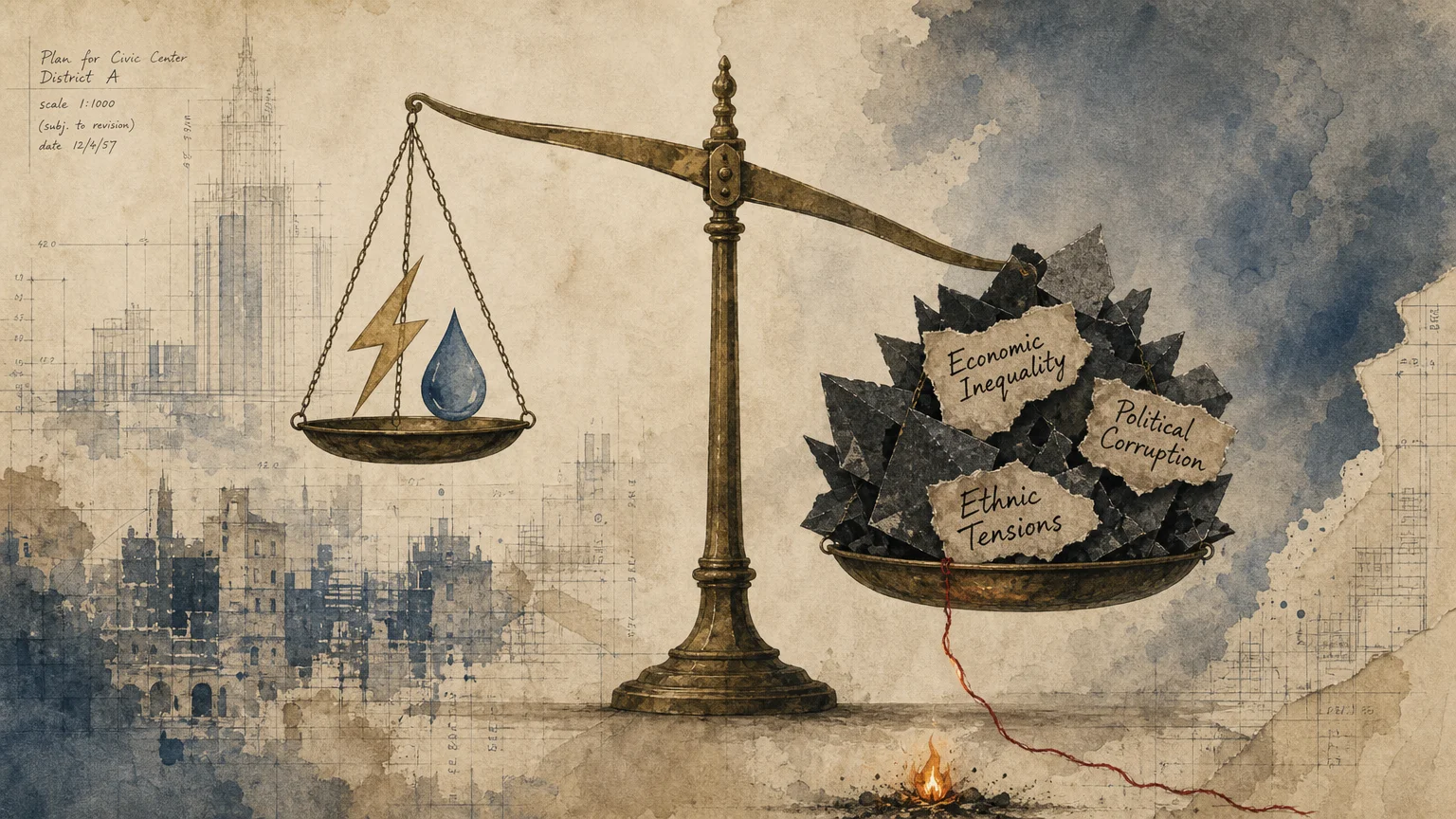
A natural hazard rarely causes an armed conflict in a vacuum. Instead, extreme environmental events act as threat multipliers. This concept means that a disaster exacerbates pre-existing vulnerabilities within a society, such as economic inequality, political corruption, or ethnic tensions. When an earthquake flattens a capital city or a prolonged drought decimates an agricultural sector, the affected population requires immediate assistance. If the governing authority fails to provide that relief—or worse, weaponizes the disaster for political gain—the resulting desperation frequently boils over into violence.
You can trace the origins of many famous wars and revolutions directly back to specific environmental anomalies. The historical record demonstrates that atmospheric anomalies, tectonic shifts, and hydrological failures consistently destabilize human institutions. Through careful root cause analysis, researchers have identified distinct patterns linking environmental degradation to warfare. Resource scarcity drives migration, which increases competition in urban centers. Infrastructure collapse disrupts supply chains, leading to famine and hyperinflation. When public trust in institutions evaporates during these crises, opposition groups seize the opportunity to launch rebellions.
This article examines eleven precise historical instances where severe natural disasters served as the primary spark for warfare. You will explore how these events unfolded, the underlying scientific mechanisms that caused the environmental destruction, and the human and infrastructural tolls that ultimately necessitated a military or revolutionary response. Recognizing these historical patterns equips you to understand modern geopolitical risks in an era of increasingly volatile extreme weather.