Timeline
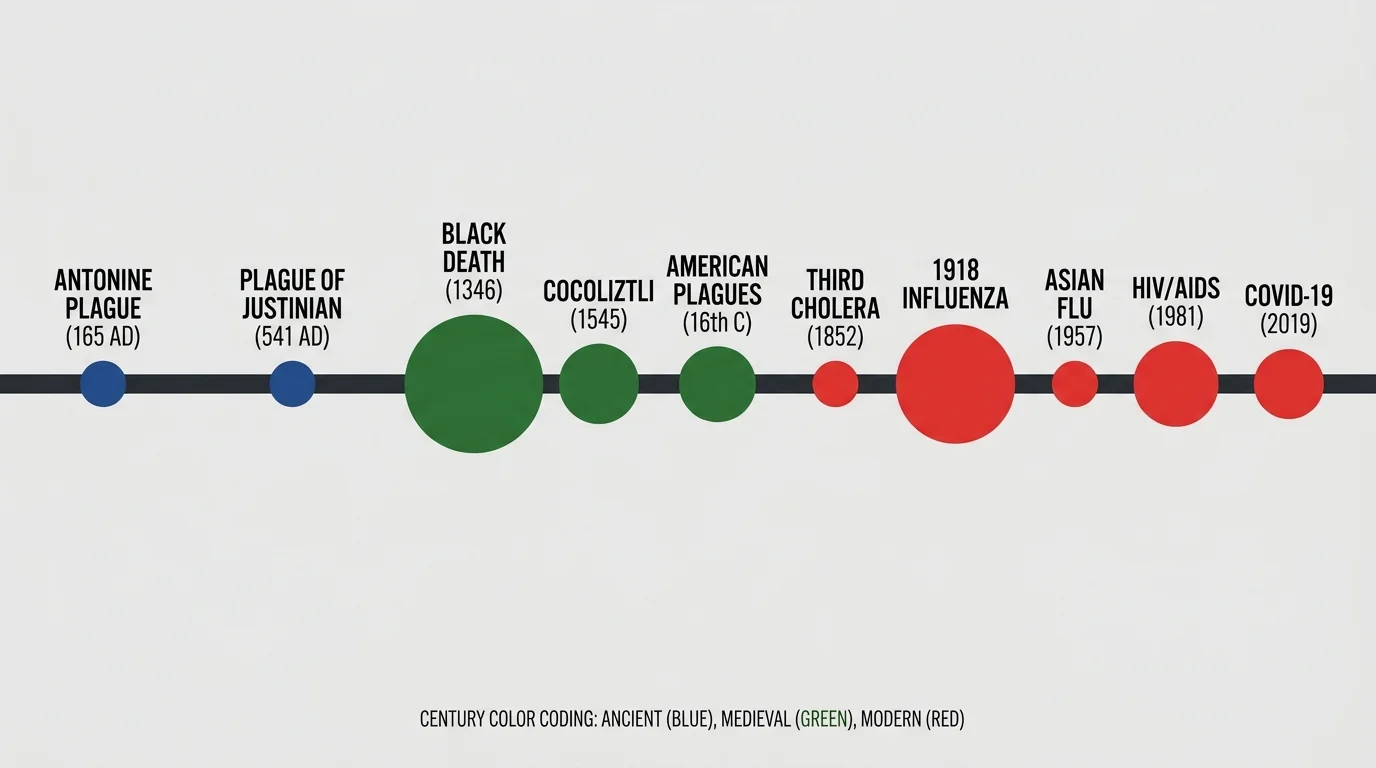
The history of human civilization is punctuated by devastating contagion events. The following timeline details ten of the most catastrophic global disease outbreaks, outlining their origins, biological mechanisms, and immense historical death tolls.

The Antonine Plague (165–180 AD)
The Antonine Plague devastated the Roman Empire during the reigns of Marcus Aurelius and Lucius Verus. Modern medical historians strongly suspect the pathogen was an early strain of smallpox or measles. The disease entered the empire via Roman soldiers returning from military campaigns in Mesopotamia. The virus aggressively swept through densely populated Roman cities and military encampments, utilizing vast ancient trade routes to reach Gaul and the Rhine. Historical records indicate the plague killed an estimated 5 million people, decimating the ranks of the Roman army and severely destabilizing the imperial economy. The massive loss of life forced Rome to conscript untrained gladiators and tribal mercenaries to defend its increasingly vulnerable borders.
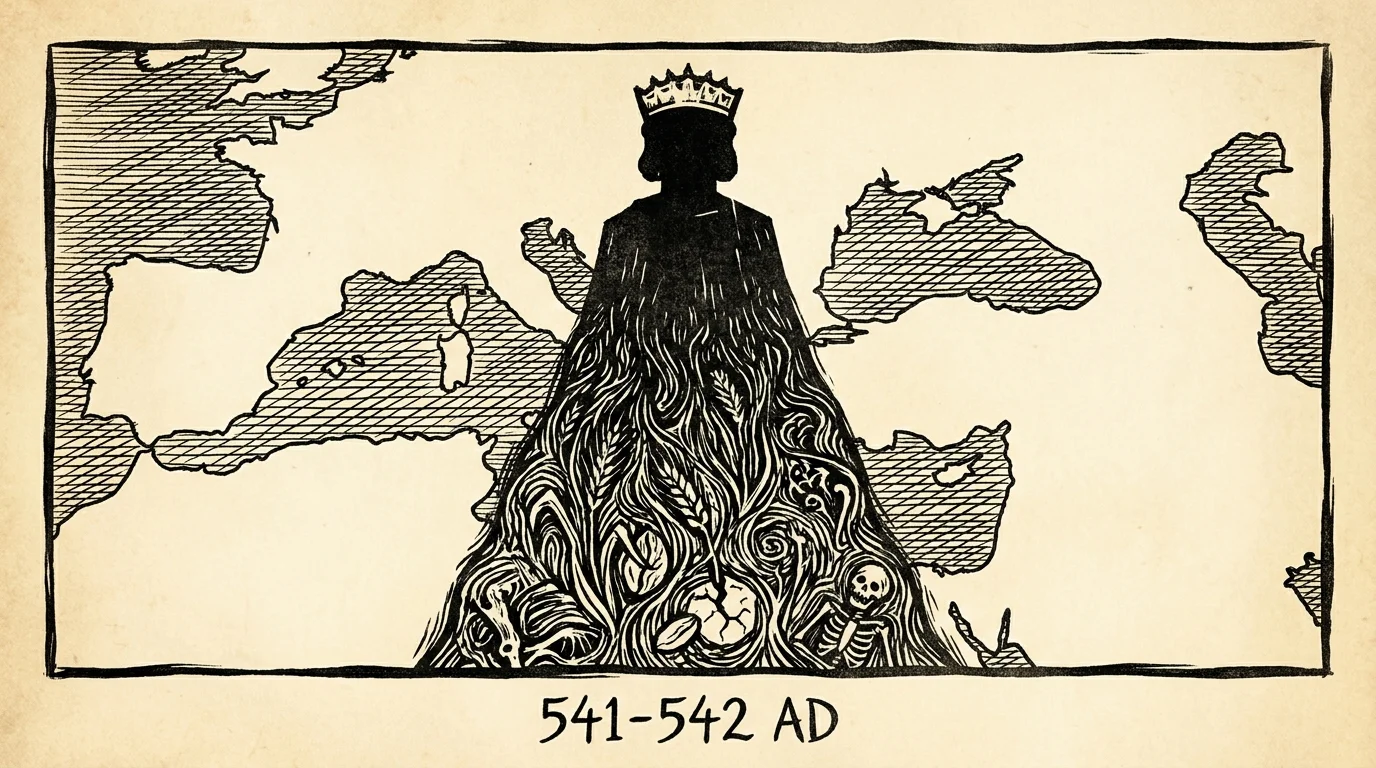
The Plague of Justinian (541–542 AD)
The Plague of Justinian represents the first recorded pandemic caused by the bacterium Yersinia pestis. The outbreak originated in Egypt and traveled via grain ships across the Mediterranean Sea to Constantinople, the capital of the Byzantine Empire. Infected rat fleas served as the primary transmission vector. Once inside the bustling port city, the bacterium caused necrotic buboes, high fevers, and swift death. At its peak, the plague killed approximately 10,000 residents of Constantinople every single day. The pandemic ultimately claimed an estimated 30 to 50 million lives across the Mediterranean basin, Europe, and the Near East, halting Emperor Justinian’s military campaigns and permanently altering the geopolitical landscape of late antiquity.
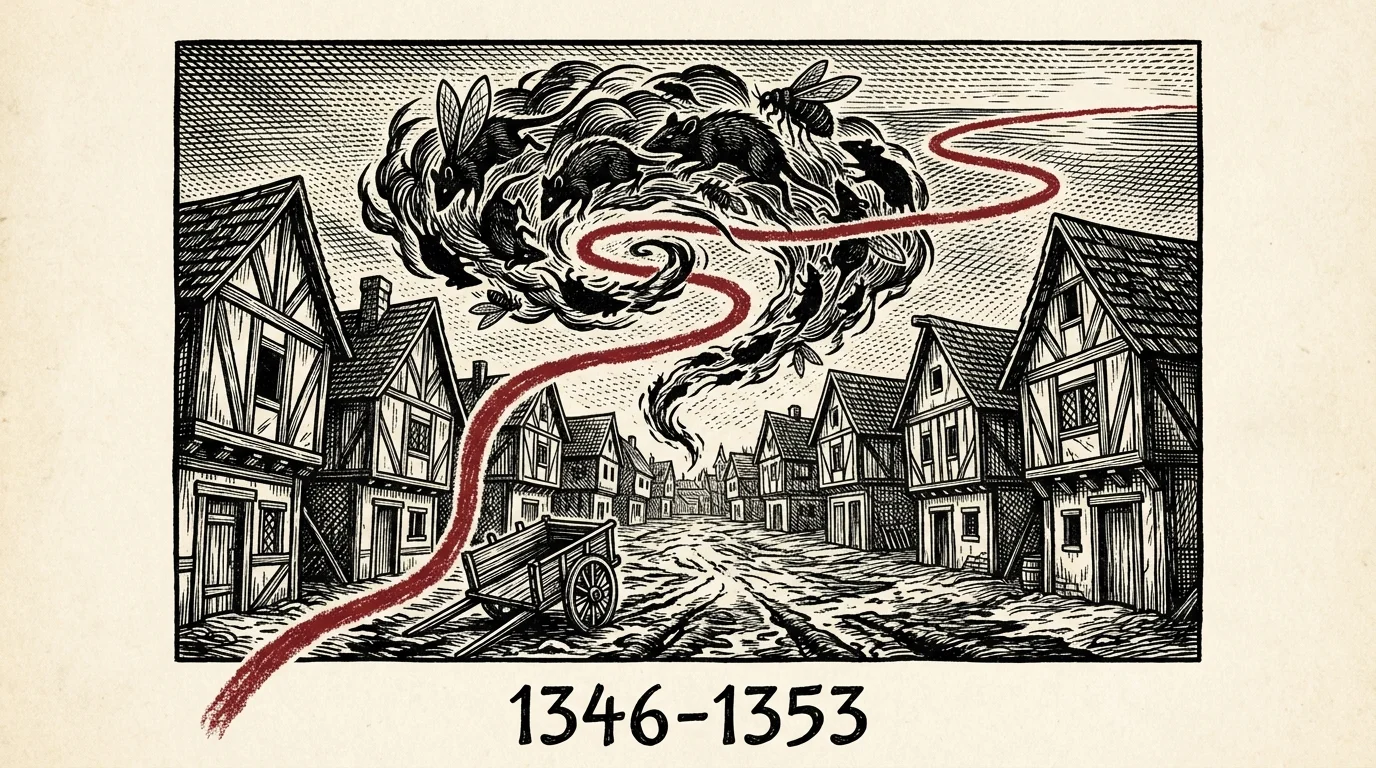
The Black Death (1346–1353)
As the most infamous of all historical pandemics, the Black Death drastically reshaped the trajectory of human history. Caused by a resurgence of Yersinia pestis, the pathogen moved westward from Central Asia along the Silk Road, carried by merchant caravans and Genoese trading vessels. The bacterium exhibited multiple deadly forms: bubonic (lymphatic infection), pneumonic (respiratory infection), and septicemic (bloodstream infection). The pneumonic variant allowed the disease to spread rapidly from person to person through coughing. The Black Death eradicated an estimated 75 to 200 million people, wiping out roughly 30 to 50 percent of Europe’s entire population. The staggering mortality rate triggered a profound labor shortage, which accelerated the collapse of the feudal system and drove agricultural innovation.
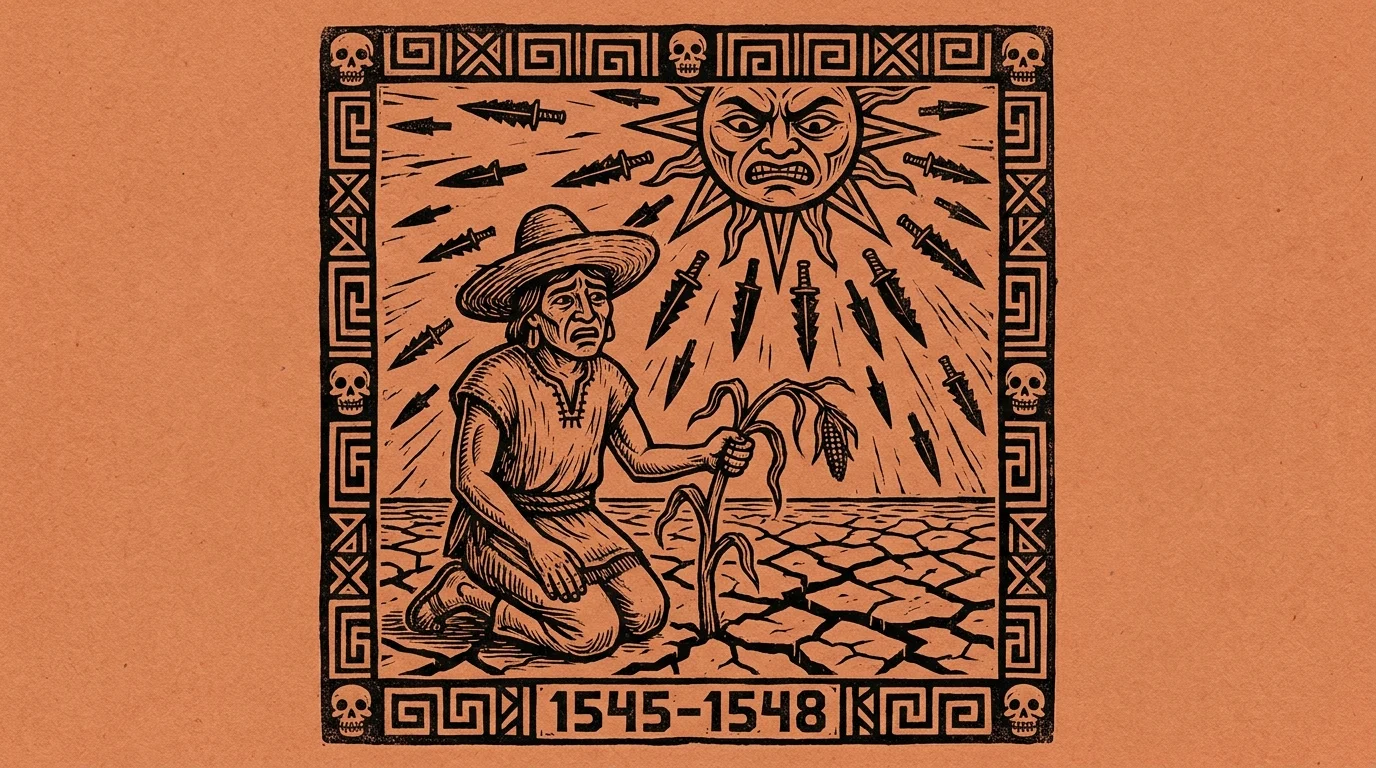
The Cocoliztli Epidemic (1545–1548)
The Cocoliztli Epidemic struck the indigenous populations of Mexico and Central America with catastrophic ferocity. The term “cocoliztli” translates to “pestilence” in the Nahuatl language. Victims experienced high fevers, severe headaches, dark urine, and massive hemorrhagic bleeding from the nose and eyes. Recent genomic extraction from ancient dental pulp suggests the outbreak involved Salmonella enterica serovar Paratyphi C, which causes a deadly enteric fever. A severe, prolonged megadrought in the region likely exacerbated the outbreak by concentrating populations around scarce water sources and degrading community hygiene. The epidemic killed an estimated 15 million people, fundamentally dismantling the demographic structure of the Aztec civilization and facilitating broader Spanish colonial control.
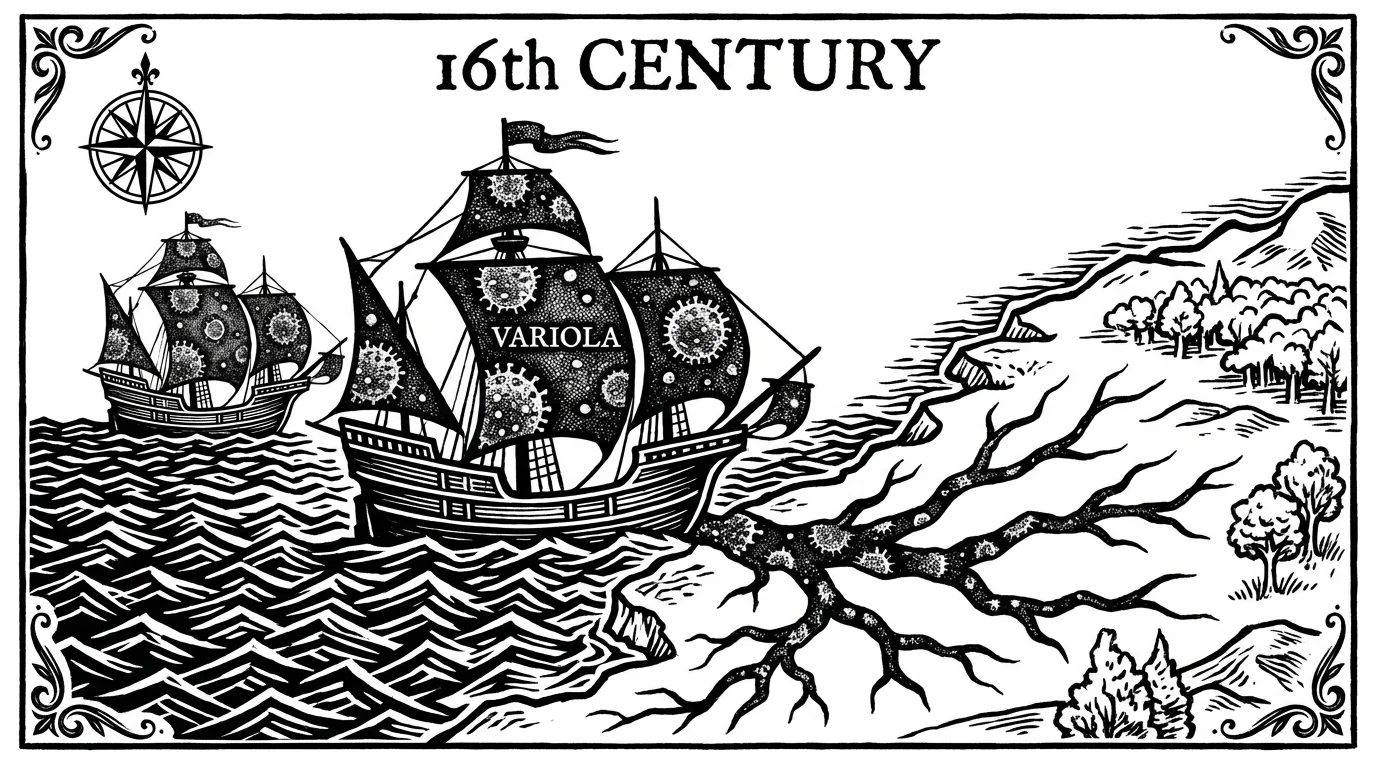
The American Plagues / Smallpox (16th Century Onwards)
When European explorers and colonizers arrived in the Americas, they unknowingly transported a biological arsenal of infectious diseases, most notably the Variola major virus, which causes smallpox. Because indigenous populations in the Western Hemisphere had lived in total isolation from Afro-Eurasian pathogens for millennia, they possessed zero natural immunity. The virus spread through respiratory droplets and contact with contaminated fomites, such as blankets and clothing. The infection caused severe blistering rashes, internal bleeding, and organ failure. Smallpox, alongside measles and typhus, killed tens of millions of indigenous people across North and South America, effectively eradicating entire cultures, languages, and complex societal structures long before direct military conflicts occurred.

The Third Cholera Pandemic (1852–1860)
The Third Cholera Pandemic was the deadliest of the seven major historical cholera outbreaks. Originating in the Ganges River Delta in India, the Vibrio cholerae bacterium spread globally through heavily trafficked maritime trade networks, striking Asia, Europe, North America, and Africa. The bacterium secretes a toxin in the human intestine that causes severe, rapid dehydration through profuse diarrhea. During this outbreak in London, the medical community still believed in the “miasma theory”—the idea that foul air caused disease. However, physician John Snow’s rigorous spatial mapping of the outbreak definitively proved that the pathogen spread through contaminated municipal water supplies, a discovery that birthed modern epidemiology.

The 1918 Influenza Pandemic (1918–1920)
Often incorrectly referred to as the Spanish Flu, the 1918 Influenza Pandemic stands as one of the deadliest viral outbreaks in human history. The H1N1 influenza A virus featured a unique genetic mutation that triggered a cytokine storm—an overwhelming immune system overreaction that flooded the victim’s lungs with fluid. Unusually, this virus disproportionately killed healthy young adults rather than the elderly or immune-compromised. The massive troop movements and overcrowded military trenches of World War I created perfect conditions for airborne transmission. Governments heavily censored news of the outbreak to maintain wartime morale, allowing the virus to spread unchecked. The pandemic infected roughly 500 million people—one-third of the global population—and killed an estimated 50 million individuals worldwide.

The Asian Flu (1957–1958)
The Asian Flu pandemic emerged from an avian influenza virus that acquired human-infecting genes through viral reassortment. The H2N2 virus originated in East Asia and rapidly spread along global shipping routes and early international commercial flight paths. Because the pathogen featured novel hemagglutinin and neuraminidase surface proteins, the global population lacked preexisting immunity. The virus primarily attacked the respiratory tract, leading to high rates of secondary bacterial pneumonia. The Asian Flu killed an estimated 1.1 million people globally. However, this pandemic marked a crucial turning point in medical history; the newly established World Health Organization utilized global surveillance networks to rapidly identify the virus, allowing pharmaceutical companies to develop and distribute a targeted vaccine within months of the initial outbreak.

The HIV/AIDS Pandemic (1981–Present)
The Human Immunodeficiency Virus (HIV) represents a slow-moving but relentlessly lethal pandemic. The virus crossed over from chimpanzees to humans in Central Africa in the early 20th century before spreading globally in the late 1970s and 1980s. HIV attacks the body’s CD4 helper T-cells, systematically dismantling the host’s immune system and leading to Acquired Immunodeficiency Syndrome (AIDS). Because the virus transmits through bodily fluids rather than casual contact, early public health responses were marred by social stigma, delayed political action, and widespread misinformation. To date, HIV/AIDS has claimed over 40 million lives. The ongoing crisis catalyzed unprecedented advancements in antiretroviral therapy (ART), transforming a once-universally fatal diagnosis into a manageable chronic condition for those with access to modern medicine.

The COVID-19 Pandemic (2019–Present)
The emergence of Severe Acute Respiratory Syndrome Coronavirus 2 (SARS-CoV-2) in late 2019 triggered the most disruptive modern pandemic on record. The highly transmissible virus spreads primarily through airborne aerosols and respiratory droplets. Its ability to spread asymptomatically—meaning infected individuals transmit the virus before showing symptoms—made traditional temperature checks and symptom-based quarantines highly ineffective. The virus caused an array of pathologies, from mild respiratory illness to acute respiratory distress syndrome (ARDS) and widespread vascular inflammation. The COVID-19 pandemic resulted in over 7 million officially reported deaths, forced global economic lockdowns, disrupted international supply chains, and accelerated the development of revolutionary mRNA vaccine technologies.