Causes & Mechanisms
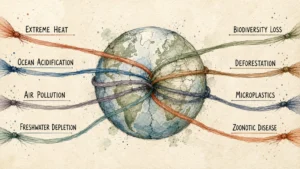
Understanding the physical science and system failures behind these eight environmental threats provides a clearer picture of why they pose such a danger to modern civilization. Root cause analysis—the process of identifying the fundamental reasons a problem occurs—reveals that human industrial activity remains the primary driver of these compounding crises. The mechanisms range from atmospheric physics to microscopic biological interactions.
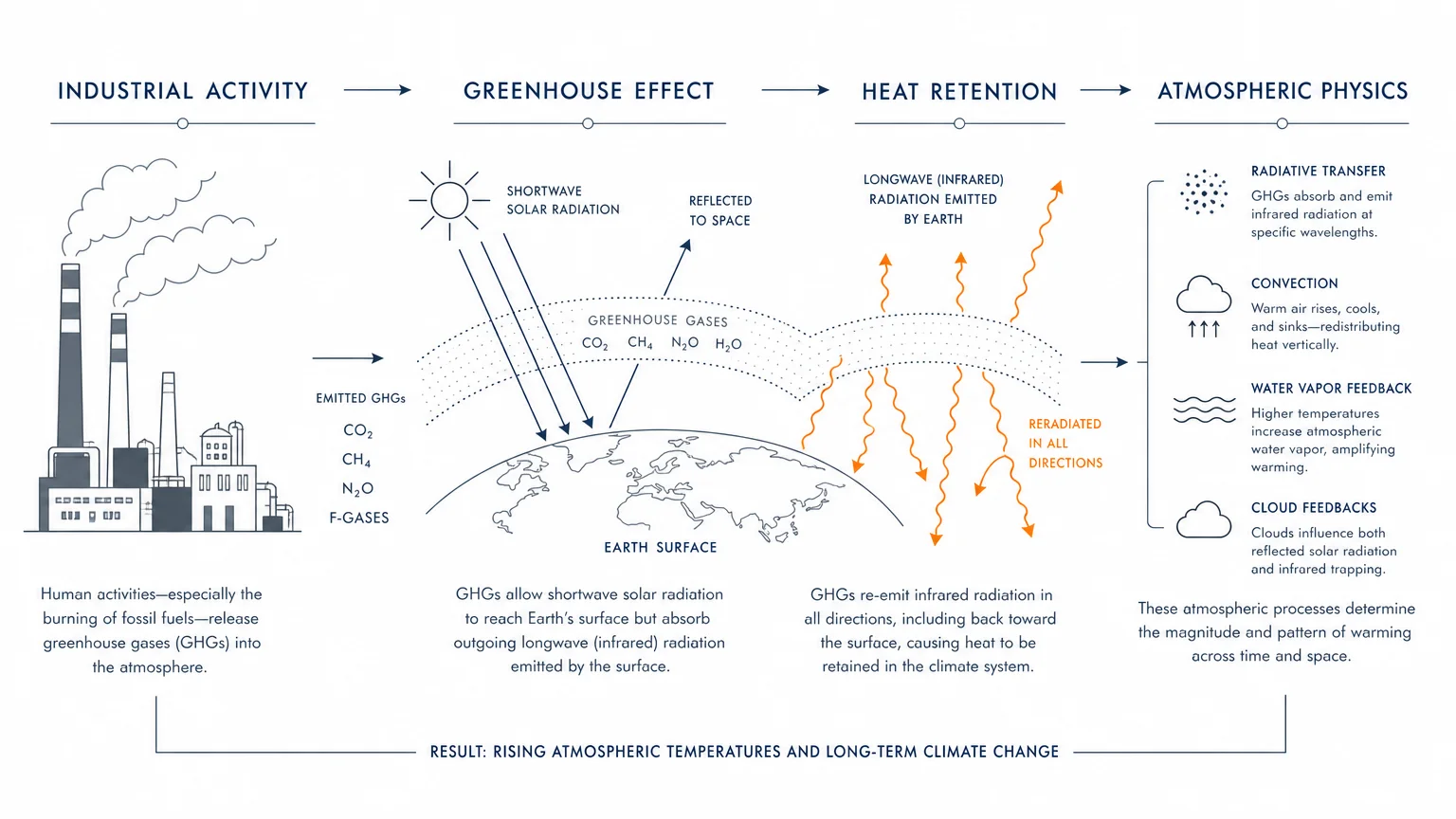
Climate change primarily operates through the greenhouse effect. Certain trace gases in the atmosphere, including carbon dioxide, methane, and nitrous oxide, possess molecular structures that absorb long-wave infrared radiation. When the sun heats the Earth, the planet attempts to radiate that thermal energy back into space. Greenhouse gases trap this outgoing heat, forcing the lower atmosphere and the oceans to warm. This accumulated thermal energy supercharges the hydrological cycle, increasing the evaporation rate and driving more intense storms, prolonged droughts, and erratic weather patterns.
Ocean acidification serves as the direct chemical counterpart to atmospheric carbon accumulation. When the ocean absorbs excess carbon dioxide from the air, the gas reacts with seawater to form carbonic acid. You can observe the stark reality of this mechanism through the mathematics of marine acidity. The global ocean maintains an average surface pH of approximately 8.1, down from a pre-industrial baseline of 8.2. Because the pH scale is logarithmic, this seemingly small drop of 0.1 units actually represents a 30 percent increase in the concentration of hydrogen ions. This chemical alteration restricts the availability of carbonate ions, which marine organisms like corals, oysters, and certain plankton require to build their structural shells. As acidity increases, existing calcium carbonate structures begin to dissolve, threatening to collapse foundational elements of the marine food chain.
Air pollution operates through atmospheric chemistry and aerosol dynamics. Combustion engines, industrial facilities, and wildfires release massive quantities of fine particulate matter, known as PM2.5. These microscopic particles measure less than 2.5 micrometers in diameter. Because of their incredibly small size, they bypass the natural defense mechanisms of the human respiratory tract, penetrating deep into the lungs and entering the bloodstream. Meteorological phenomena, such as temperature inversions, frequently trap these pollutants near the ground, creating dangerous, stagnant domes of toxic air over densely populated urban centers.
Freshwater depletion and deforestation share interconnected physical mechanisms. Deforestation eliminates the complex root networks that hold topsoil in place and the dense canopies that facilitate transpiration—the process by which plants release water vapor into the atmosphere. Without transpiration, local atmospheric moisture drops, leading to decreased rainfall. Simultaneously, the loss of root systems allows rainwater to run off the surface rapidly rather than infiltrating the ground to recharge subterranean aquifers. As communities pump remaining groundwater to compensate for the lack of surface water, the geological strata of the aquifers compact. This subsidence permanently reduces the storage capacity of the underground water grid.
Plastic pollution spreads through mechanical fragmentation and photodegradation. Unlike organic materials, synthetic plastics do not biodegrade rapidly. Instead, exposure to ultraviolet radiation from the sun causes the polymer bonds to become brittle. Wind, wave action, and friction break these larger plastics into microscopic fragments known as microplastics. These particles subsequently absorb ambient chemical toxins from the surrounding water and soil before being ingested by organisms at the base of the food web.
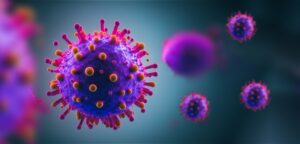
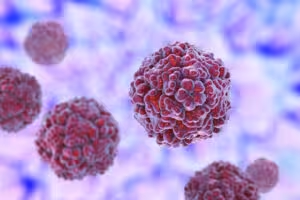
Finally, zoonotic disease spillover relies on ecological disruption. Deforestation and urban expansion fragment natural habitats, creating artificial boundaries where wild animals, agricultural livestock, and human communities overlap. This proximity provides pathogens with the necessary biological bridges to mutate and infect new host species, transforming localized wildlife infections into global public health threats.