Infrastructure & Environmental Effects
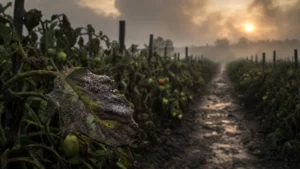
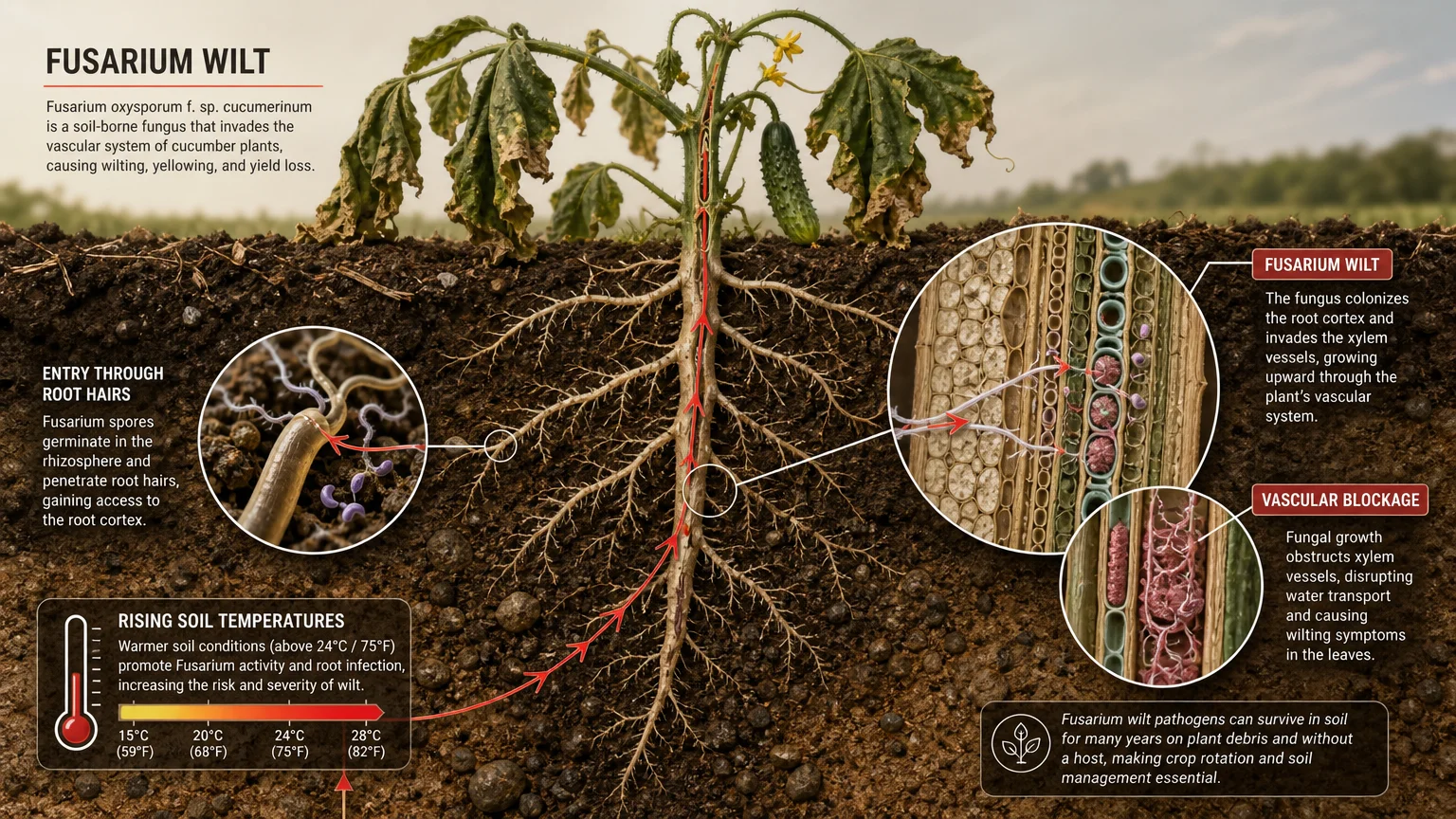
The profound devastation wrought by unmanaged plant diseases severely damages vital agricultural infrastructure and inflicts long-lasting environmental trauma. When a severe pathogen sweeps through an area, the physical environment undergoes intense degradation, radically altering the viability of the land for future planting seasons. High-intensity outbreaks of soil-borne pathogens like verticillium wilt and fusarium wilt effectively contaminate the subterranean infrastructure of your garden or farm. Once these highly resilient fungal spores embed themselves deep into the soil matrix, they render that specific plot of land entirely uninhabitable for susceptible crop varieties for up to a decade, functionally destroying the agricultural utility of the essential topsoil layer.
Physical, above-ground infrastructure also suffers severe secondary impacts from aggressive disease management operations. Commercial greenhouses, delicate hydroponic facilities, and complex irrigation networks frequently become contaminated with persistent, clinging pathogens. The sticky spores of downy mildew and rust fungi rapidly adhere to protective plastic sheeting, internal ventilation systems, and specialized harvesting equipment. Decontaminating this vital infrastructure demands intense chemical treatments, massive volumes of hot water, and significant labor hours, driving up operational costs and severely delaying subsequent planting schedules. If farm managers fail to sanitize their equipment correctly, agricultural machinery literally transports the biological disaster from one field to another, artificially accelerating the regional spread of the epidemic across state lines.
Transport and workplace investigations via the NTSB and OSHA. Risk reduction resources at the UNDRR.
The broader environmental effects of managing these outbreaks frequently compound the initial biological disaster. When faced with the rapid, terrifying advance of early blight or rose black spot, desperate growers often resort to heavy, repeated applications of broad-spectrum chemical fungicides. While these harsh treatments can temporarily halt a fungal advance, excessive chemical reliance poisons the surrounding ecosystem. Heavy fungicidal runoff pollutes local watersheds, devastating sensitive aquatic microbiomes and systematically killing the beneficial soil fungi and mycorrhizae that naturally support long-term plant health. You must carefully balance the urgent need for acute disease prevention with the long-term ecological stability of your growing environment.
Moreover, workers manually applying these potent chemical interventions face substantial occupational hazards. The rushed deployment of toxic agricultural chemicals during an active disease crisis dramatically increases the risk of inhalation exposure and acute dermal toxicity among farm laborers. As the disease runs rampant, the sudden disruption to commercial crop yields causes immediate, severe bottlenecks in the agricultural supply chain. Regional processing plants sit entirely idle, specialized refrigerated transport vehicles run empty, and the subsequent economic shockwaves destabilize the entire logistical network supporting local and national food distribution. Protecting the environment and maintaining stable infrastructure therefore requires shifting away from desperate chemical countermeasures and investing heavily in resilient, systemic agricultural defenses.