Understanding modern environmental risks allows you to protect your community and anticipate future challenges. The planet faces compounding crises that demand urgent attention, ranging from rising global temperatures and ocean acidification to pervasive plastic pollution. Evaluating these eight critical environmental threats reveals the scientific mechanisms driving them and the sweeping impacts they impose on global infrastructure and human health. Historical data and recent policy reforms provide actionable insights into managing natural hazards and mitigating ecological degradation. Recognizing these climate threats builds a necessary foundation for enhancing local resilience and advocating for sustainable solutions in your daily life.
Overview
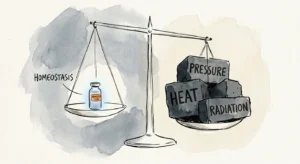
The scale of global environmental awareness has expanded dramatically over the past century. Today, scientists, engineers, and policymakers recognize an interconnected web of environmental risks that threaten ecological stability, economic continuity, and human security. By understanding these specific hazards, you position yourself to better navigate and adapt to a rapidly changing world. These are not isolated incidents but rather ongoing, systemic shifts in the natural order that require sustained attention and comprehensive mitigation strategies.
The first major threat involves accelerating climate change and extreme heat, driven by atmospheric heat retention that amplifies the frequency and intensity of severe weather events. The second threat centers on ocean acidification, a fundamental chemical shift in marine environments that imperils aquatic food webs and coastal economies. The third critical issue is pervasive air pollution, specifically the accumulation of fine particulate matter and noxious gases that infiltrate respiratory systems and alter local microclimates.
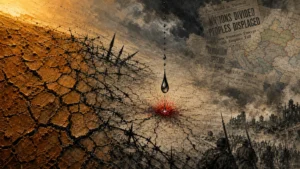
The fourth hazard encompasses the global crisis of freshwater depletion. Across many continents, groundwater extraction rates now vastly outpace natural aquifer replenishment, threatening global agricultural systems and municipal drinking water supplies. Closely related is the fifth threat: catastrophic biodiversity loss. As species face extinction at unprecedented rates, entire ecosystems destabilize, removing the natural biological buffers that protect human populations against agricultural failure and disease.
The sixth environmental concern involves extensive deforestation and land-use alteration. This ongoing destruction of natural landscapes disrupts vital hydrological cycles, removes critical carbon sinks, and accelerates soil degradation. The seventh hazard, plastic and microplastic pollution, represents a ubiquitous modern contamination. Synthetic polymers now permeate soils, major waterways, and the biological tissues of countless organisms, creating a toxicological legacy that will persist for centuries.
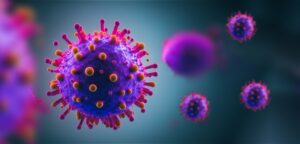
Finally, the eighth threat involves zoonotic disease emergence. As environmental degradation and habitat destruction force wildlife into closer, unnatural contact with human populations, the likelihood of novel pathogens jumping the species barrier increases dramatically. These eight environmental threats rarely act independently. Instead, they compound one another through complex feedback loops, effectively turning localized natural hazards into systemic regional and global crises.