Human Impact & Response
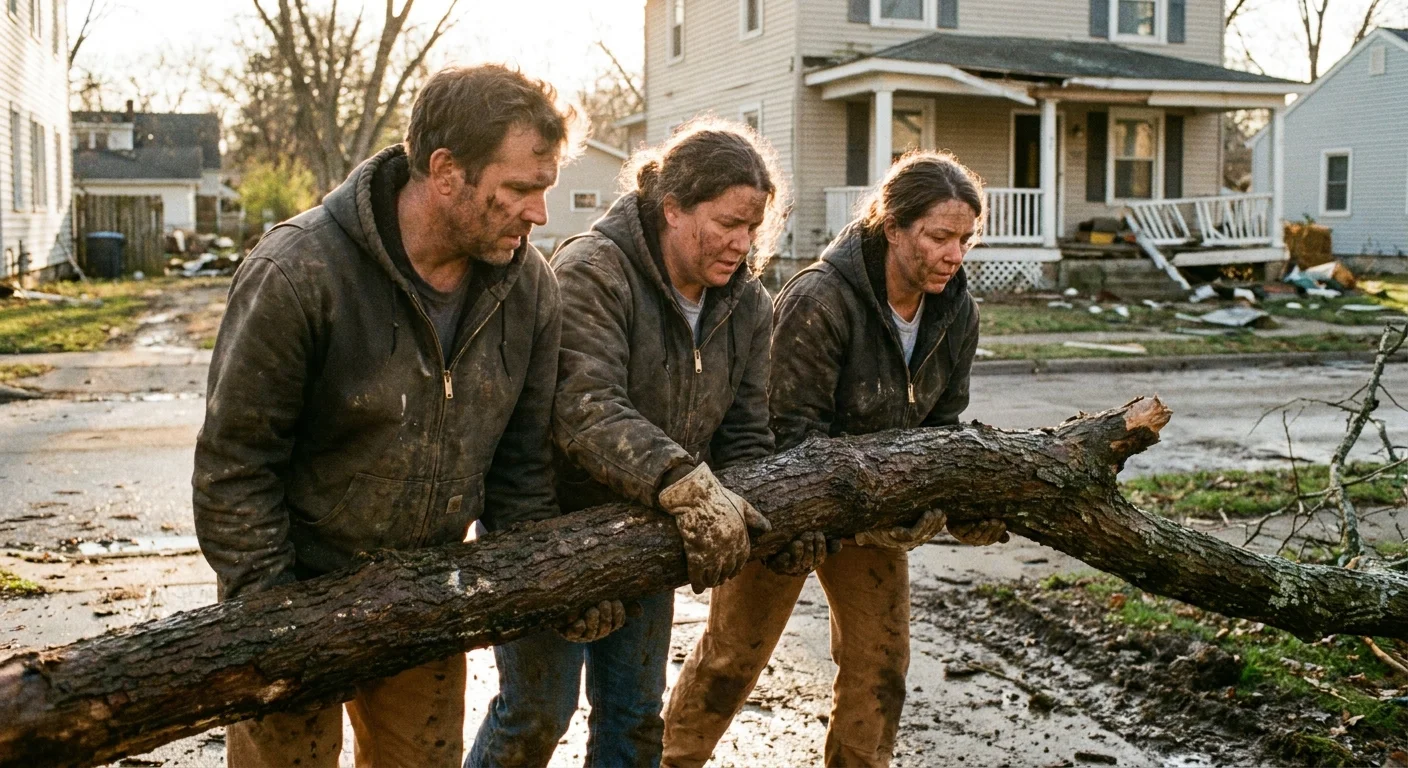
Behind the staggering financial statistics lies a profound human toll. When communities experience these massive shocks, the immediate focus shifts rapidly from property protection to sheer survival. Emergency management professionals organize disaster response into distinct phases, beginning with immediate life safety and search-and-rescue operations. You see the true complexity of these events when examining how entire metropolitan populations attempt to flee simultaneously.
Evacuation logistics present enormous challenges. During the approach of Hurricane Katrina in 2005, local and state officials struggled to transport thousands of residents who lacked personal vehicles. The ensuing sheltering crisis at the Superdome and the New Orleans Convention Center highlighted severe gaps in national preparedness and humanitarian logistics. In contrast, the approach of Hurricane Irma in 2017 triggered one of the largest mass evacuations in US history, with roughly 6.5 million Floridians ordered to leave their homes. While this massive movement successfully saved lives, it caused statewide gridlock on the interstate highway system and triggered severe fuel shortages, demonstrating that even successful evacuations strain infrastructure to the breaking point.
The public health consequences following a major disaster persist long after the winds die down and the waters recede. In the aftermath of Hurricane Maria in Puerto Rico, the prolonged collapse of the electrical grid created a desperate humanitarian crisis. Without electricity, rural hospitals could not power life-saving equipment, residents could not refrigerate critical medications like insulin, and water treatment facilities ceased operating. This lack of essential services led to a prolonged and elevated mortality rate over the subsequent months. Authorities frequently conduct retroactive mortality studies to capture the true human cost, counting both direct fatalities—such as drownings in a storm surge—and indirect fatalities caused by the loss of medical care and safe living conditions. Respecting the victims of these tragedies requires emergency planners to continually analyze and address these persistent public health failures.
Humanitarian operations managed by federal agencies, non-governmental organizations, and spontaneous citizen rescue groups provide the backbone of post-disaster survival. During Hurricane Harvey, an informal network of private boat owners known as the Cajun Navy navigated the flooded streets of Houston, rescuing thousands of trapped residents from their rooftops. This incredible display of citizen action underscored a critical reality in modern disaster response: professional emergency services simply do not have the manpower or equipment to reach every citizen during an event of unprecedented scale. Consequently, building community-level resilience and training civilian response teams has become a cornerstone of modern emergency management.