Human Impact & Response
The practical human impact of these changing flood insurance mandates falls directly on property owners, local mortgage markets, and community emergency management systems. When flood insurance rules shift from voluntary choices to mandatory conditions of occupancy or policy maintenance, households must adapt rapidly to manage sudden financial obligations. For many families, unexpected premium increases or mandatory flood add-ons strain household budgets, particularly for fixed-income retirees or working-class families living outside conventional high-risk coastal zones.
When major flood events strike, the human response operates across immediate emergency life-safety protocols and long-term economic recovery operations. During severe storm events, municipal authorities issue targeted emergency evacuations to protect residents from drowning and physical trauma caused by high-velocity floodwaters and rising storm surge. However, once emergency response teams clear immediate life-safety threats, the long-term human recovery process depends almost entirely on financial resilience. Uninsured or underinsured families face prolonged displacement, living in temporary shelters or damaged structures while attempting to secure scarce disaster assistance funding.
Public health operations also face severe pressures during flood disasters. Emergency management agencies and health officials coordinate emergency shelters, deploy mobile medical units, and monitor public water systems to prevent waterborne illness outbreaks. In the aftermath of major flooding, public health agencies continuously issue guidance on water sanitization and structural safety to protect returning evacuees from environmental hazards.
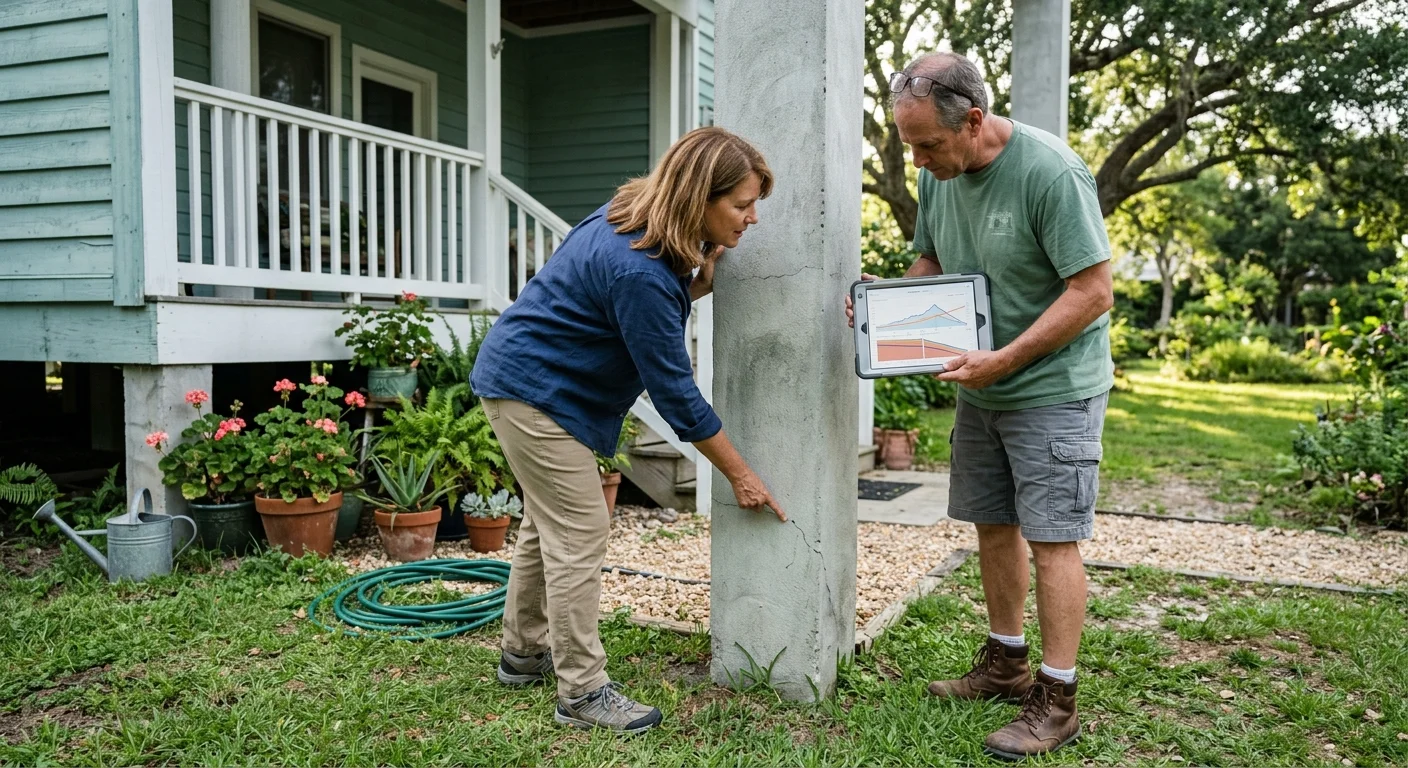
To reduce long-term financial exposure and maintain compliance with homeowner flood insurance updates, residents must proactively engage with local emergency management offices and licensed insurance agents. Community response initiatives increasingly emphasize proactive risk management, encouraging neighborhood groups to participate in community rating system initiatives that reduce municipal flood vulnerability and earn blanket premium discounts for local residents.
Public health information at the CDC and the WHO. Environmental data via the EPA.