Infrastructure & Environmental Effects
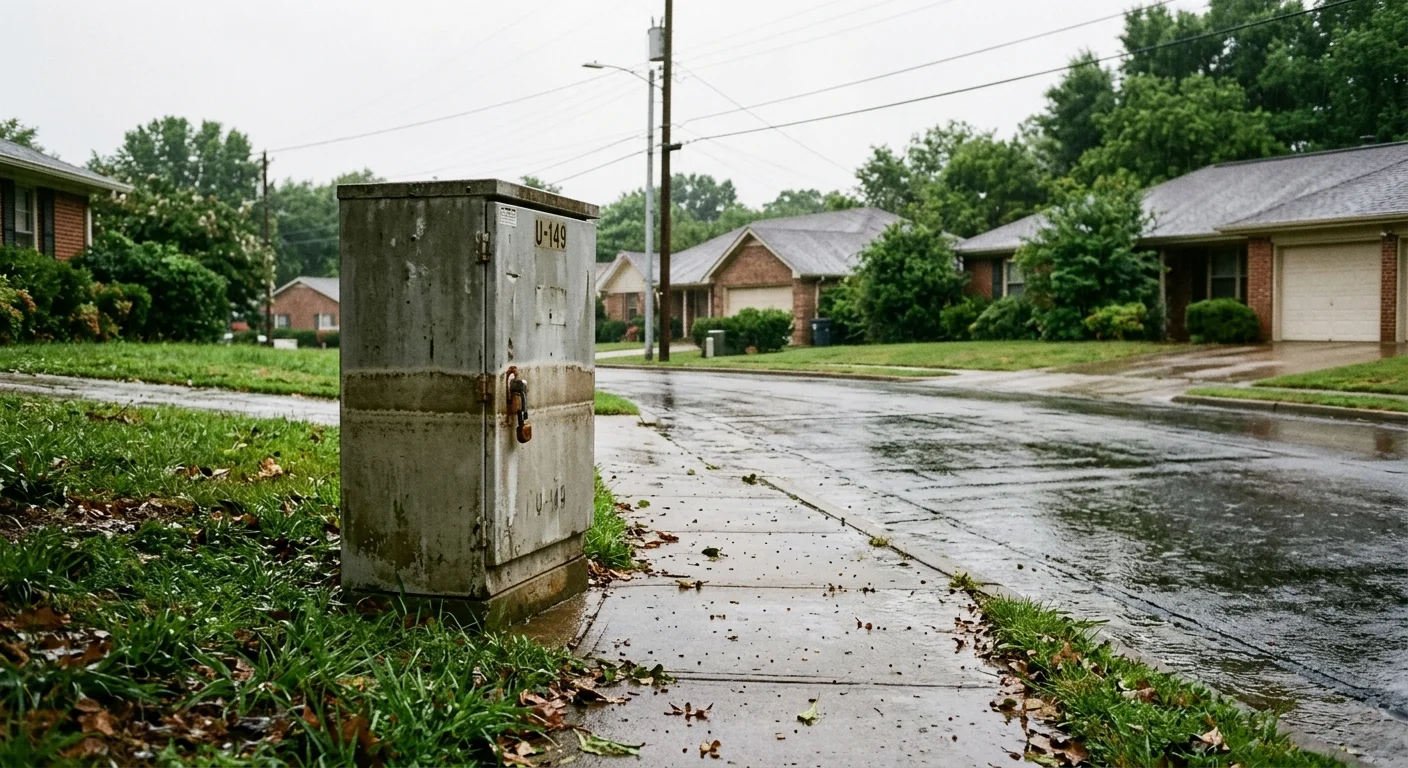
Flooding causes extensive physical degradation to residential structures, commercial built environments, municipal transportation networks, and critical utility infrastructure. To evaluate these physical consequences systematically, structural engineers and environmental scientists divide flood damages into primary vs. secondary impacts. Primary impacts refer to immediate direct damages caused by physical contact with floodwaters, such as eroded road embankments, structural framing failure, destroyed electrical service panels, and compromised foundation footings. Secondary impacts encompass long-term downstream consequences, such as severe indoor mold proliferation, structural timber rot, prolonged industrial supply chain disruptions, localized soil contamination, and eroded municipal tax bases.
In residential buildings, floodwaters penetrate building envelopes, saturating porous building materials including drywall, fiberglass insulation, subflooring, and finished cabinetry. When floodwaters contain sewage, agricultural runoff, or industrial chemical residue, building contamination poses severe environmental health risks. Remediation requires specialized environmental crews to strip saturated structural elements, apply antimicrobial treatments, and run industrial dehumidification equipment for extended periods before safe structural reconstruction can begin.
Critical public infrastructure suffers severe operational disruptions during inundation events. Transportation corridors become impassable when rising water submerges low-lying roadways and undermines bridge abutments. Submerged electrical substations suffer short-circuit failures and transformer damage, triggering widespread regional power outages that halt municipal water pumping stations and wastewater treatment facilities. When municipal sanitation systems overflow, untreated effluent flows directly into nearby estuaries, rivers, and coastal ocean waters, causing severe ecological degradation and temporary aquatic habitat destruction.
Environmental mitigation and urban flood attenuation strategies focus on restoring natural hydrological functions to reduce runoff velocities and absorption bottlenecks. Municipalities increasingly invest in green infrastructure projects, such as constructed wetlands, permeable pavement installations, expanded bioswales, and coastal dune restoration. These physical infrastructure improvements reduce peak stormwater runoff, lower localized inundation depths, and protect surrounding residential communities from catastrophic physical loss.
Transport and workplace investigations via the NTSB and OSHA. Risk reduction resources at the UNDRR.