Causes & Mechanisms
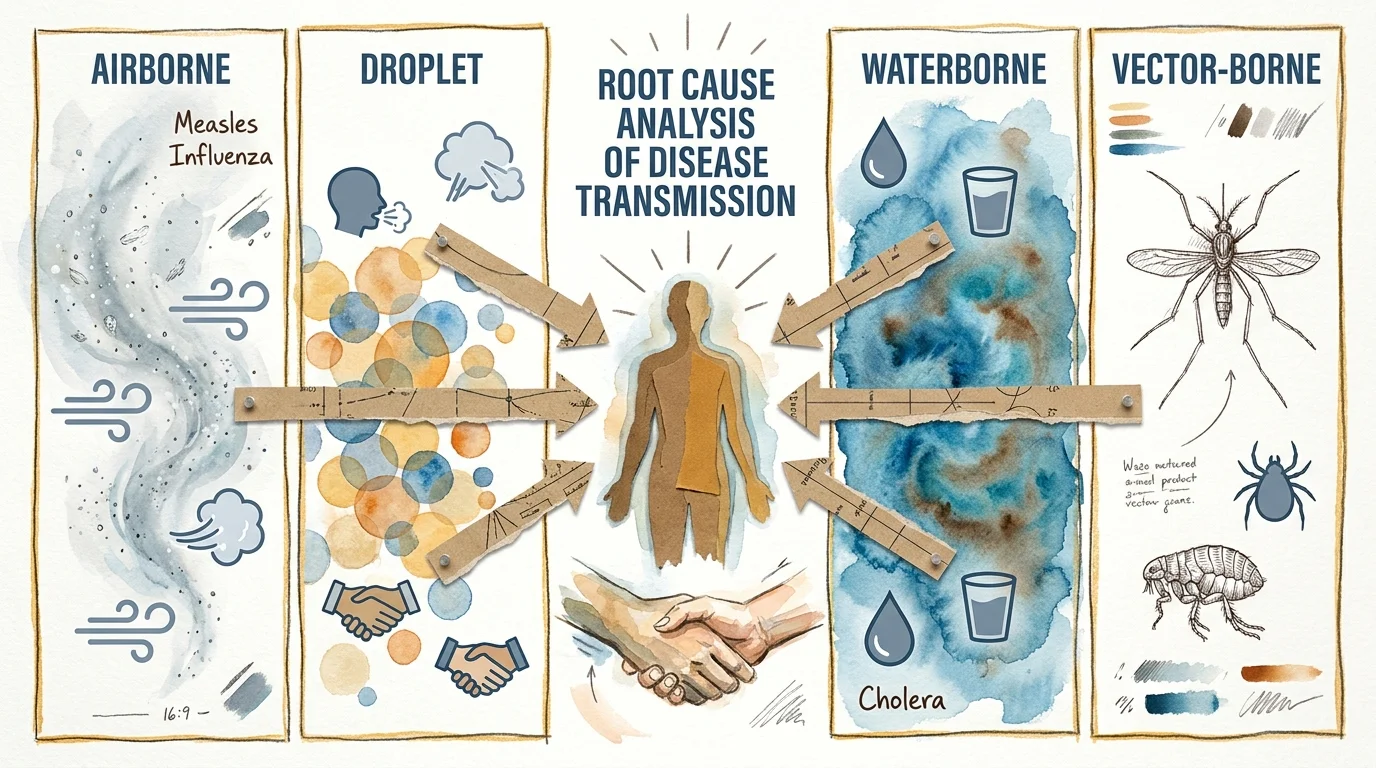
To grasp why these ten diseases spread so aggressively, you must understand their specific transmission mechanisms. Pathogens move through populations via different routes, and each route requires a distinct public health intervention. Scientists categorize these pathways broadly into airborne, droplet, direct contact, waterborne, and vector-borne transmissions. When public health agencies trace the origins of an outbreak, they rely on root cause analysis—a systematic process of identifying the fundamental biological or environmental origin of the disease to prevent further spread.
Airborne and Droplet Transmission
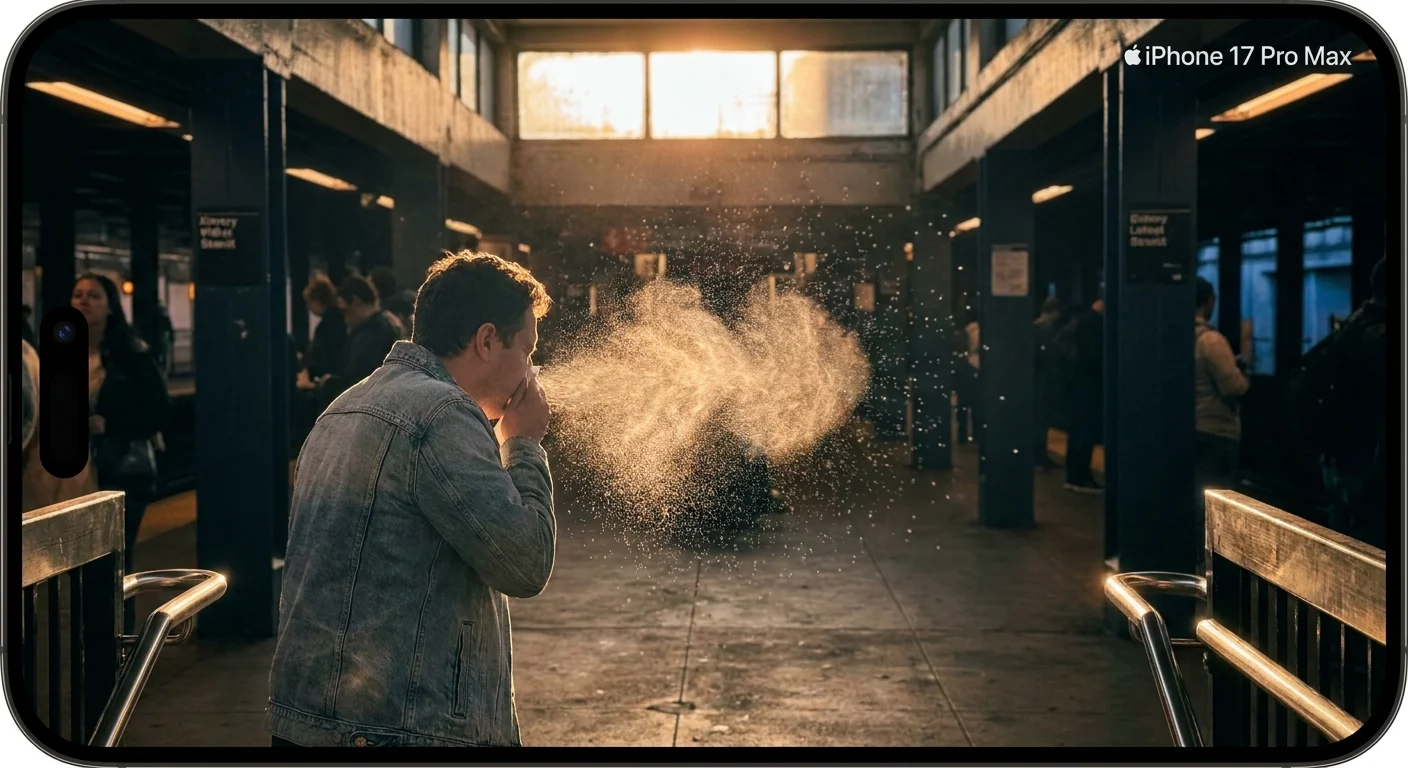
Respiratory viruses represent the most difficult pathogens to contain because breathing is involuntary and constant. Pathogens like the influenza virus, SARS-CoV-1, SARS-CoV-2, and the variola virus travel in microscopic respiratory droplets expelled when an infected person coughs, sneezes, or talks. Heavier droplets fall quickly to surfaces, requiring you to touch a contaminated surface and then touch your face to contract the disease. However, airborne pathogens like the measles virus travel in microscopic aerosols that remain suspended in the air for hours.
Consider the concept of the basic reproduction number, known as R0, which measures contagiousness. This metric estimates how many secondary infections a single infected person will produce in a completely susceptible population. If an index case contracts the Ebola virus—which has an R0 of roughly 2.0—they will likely infect two people. Over four transmission generations, this single case yields sixteen infected individuals. Compare this to measles, which carries a staggering R0 of 15 to 18. A single measles case spreads to fifteen people; within four generations, that single infection explodes into over fifty thousand cases. This mathematical difference dictates emergency response strategies, showing you exactly why airborne pathogens require much faster, wider lockdown and vaccination protocols than those spread by physical contact.
Direct Contact and Zoonotic Spillover
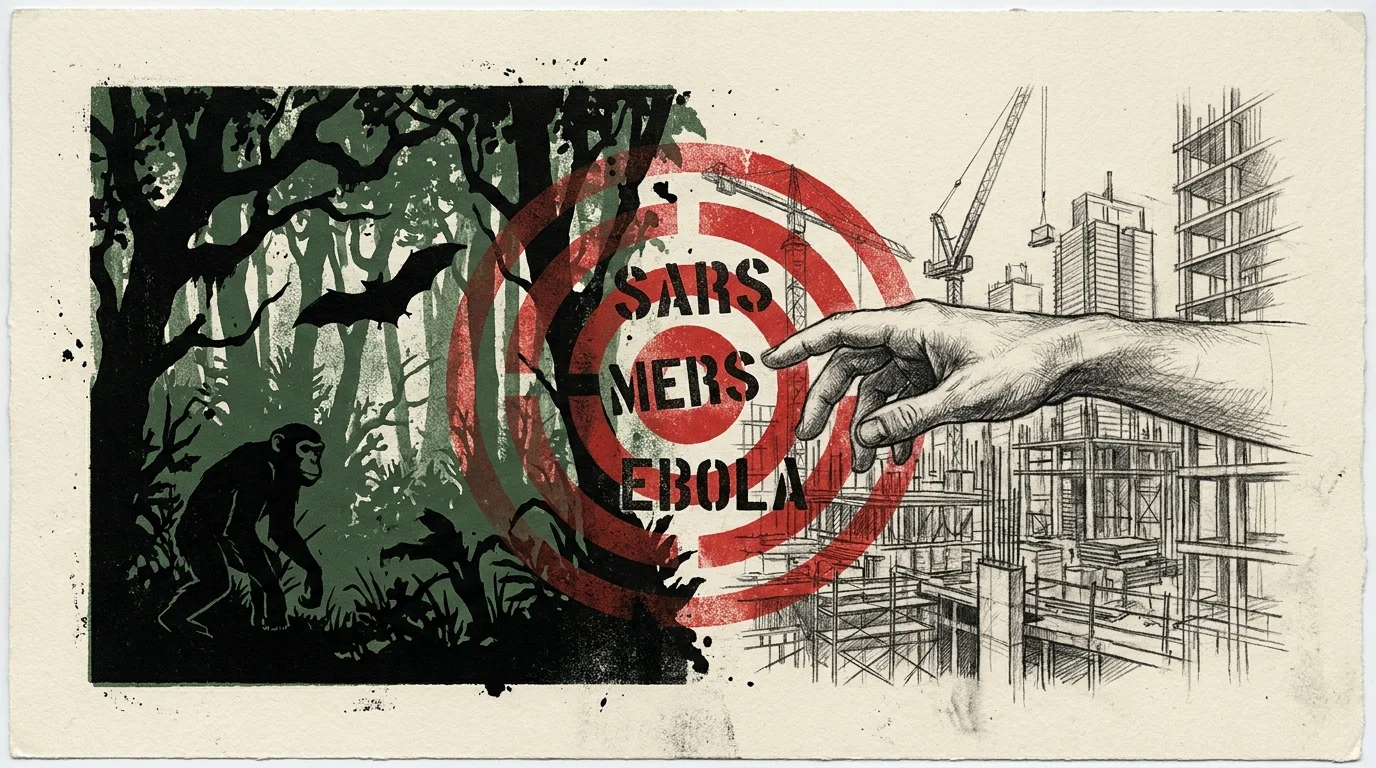
Viral hemorrhagic fevers like Ebola and Marburg spread primarily through direct contact with infectious bodily fluids. These diseases frequently originate through zoonotic spillover—a biological event where a pathogen jumps from an animal host, such as a fruit bat or non-human primate, into a human. Because the virus concentration in the blood and bodily fluids of a symptomatic patient is extraordinarily high, healthcare workers and family members face extreme risks when providing care or preparing bodies for burial. These viruses cause severe systemic inflammation and bleeding, but their reliance on physical fluid transfer limits their speed compared to respiratory viruses.
Waterborne and Vector-Borne Pathways
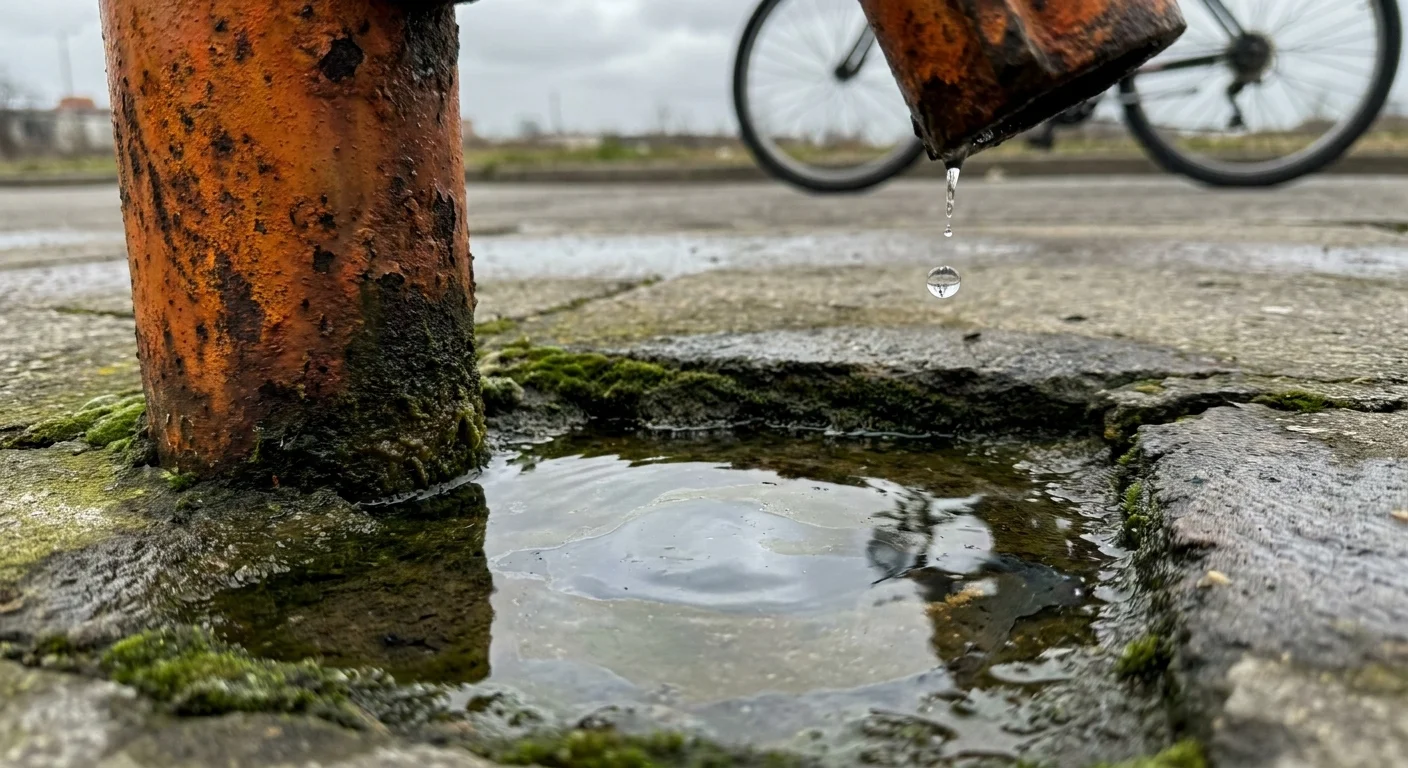
Bacterial diseases often rely on environmental factors to accelerate their spread. Cholera, caused by the bacterium Vibrio cholerae, spreads through the fecal-oral route, usually via contaminated municipal water supplies. The bacteria produce a potent toxin in the human intestine, causing rapid, severe dehydration. The bubonic plague utilizes a vector-borne mechanism. The Yersinia pestis bacterium infects fleas, which subsequently bite rodents and humans. When flea populations explode in dense, unsanitary urban environments, the plague bacterium rapidly transfers across entire cities, entering the human lymphatic system and causing massive lymph node swelling.