
Infrastructure & Environmental Effects
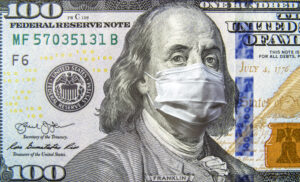
Infectious disease outbreaks act as severe stress tests for civil infrastructure. When a significant portion of the workforce falls ill simultaneously, the systems that keep modern society functioning begin to collapse. The rapid spread of respiratory diseases forces governments to enact sweeping mobility restrictions, immediately halting global aviation, shuttering international ports, and disrupting complex manufacturing supply chains. You see these effects directly at the grocery store when transportation networks fail and basic goods become scarce.
The healthcare infrastructure bears the heaviest physical burden during a crisis. Hospitals are complex logistical hubs that rely on continuous deliveries of medications, sterile instruments, and specialized gases. During an outbreak of a highly contagious pathogen like measles or SARS, hospital administrators must rapidly reconfigure ventilation systems to create negative pressure isolation rooms. These rooms prevent contaminated air from leaking into general hospital corridors. When the volume of highly infectious patients exceeds the number of specialized rooms, the hospital environment itself becomes a vector for disease transmission, leading to massive infection rates among unprotected doctors and nurses.
Environmental management plays a crucial role in disease containment. During outbreaks of viral hemorrhagic fevers or novel respiratory viruses, the volume of hazardous medical waste skyrockets. Treatment centers generate tons of contaminated gloves, gowns, masks, and syringes daily. Municipalities must rapidly expand their high-temperature incineration capacities to destroy this waste before it contaminates local landfills or water sources. Conversely, massive global lockdowns, such as those implemented during the early stages of the COVID-19 pandemic, trigger secondary environmental effects. The sudden halt in industrial activity and automotive travel leads to sharp, temporary drops in atmospheric pollutants and greenhouse gas emissions.
Historical encounters with fast-spreading diseases frequently trigger massive infrastructural shifts. When cholera devastated London in the nineteenth century, physician John Snow traced the outbreak directly to a contaminated public well, proving the disease relied on a waterborne transmission route. This discovery forced a fundamental change in municipal engineering, leading to the creation of closed sewer systems and modern municipal water treatment protocols. Today, federal laws mandate strict filtration and chlorination standards for all public water supplies, effectively eliminating cholera from developed nations and demonstrating how targeted infrastructural reform permanently eradicates a specific biological threat.