Causes & Mechanisms
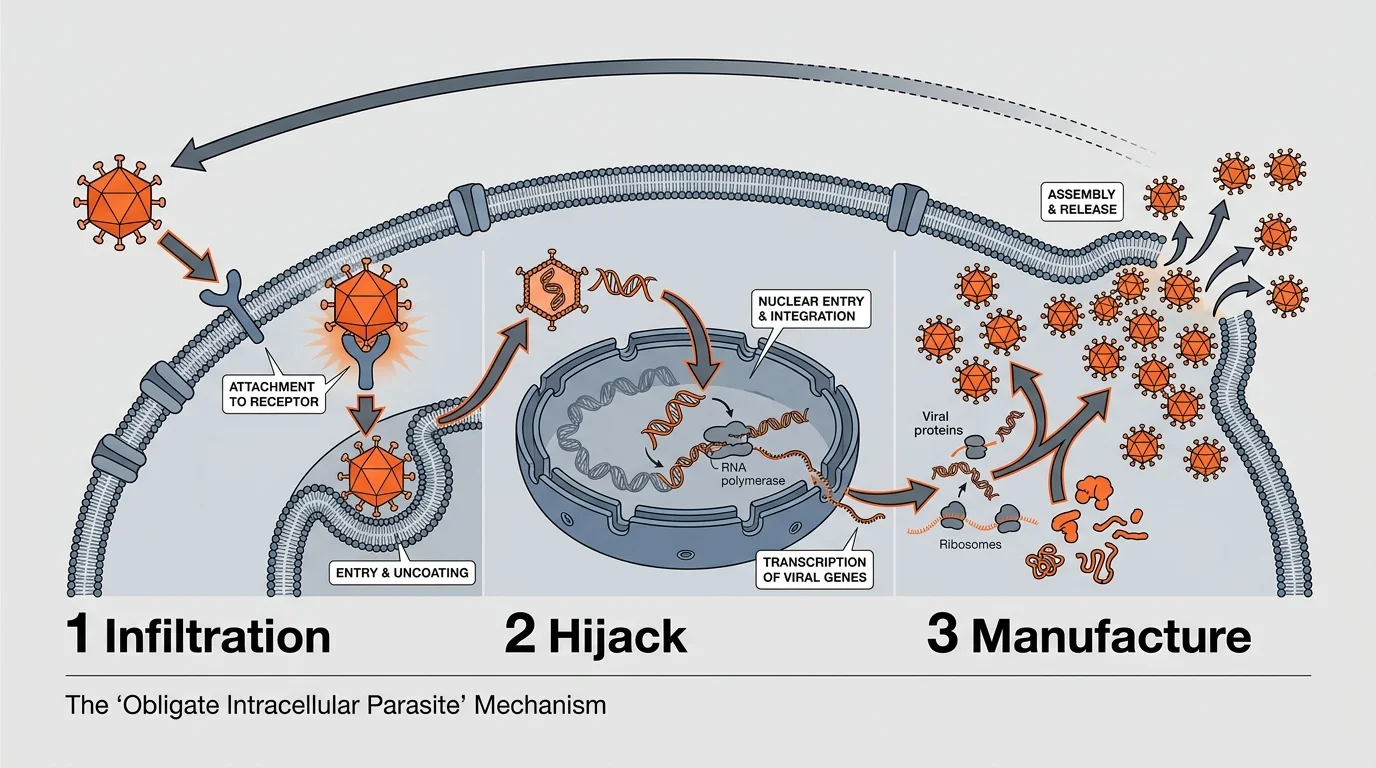
Viruses operate as obligate intracellular parasites. They cannot reproduce on their own; they must infiltrate a host cell, hijack the cellular machinery, and force it to manufacture thousands of new viral particles. RNA viruses generally pose a higher risk for rapid adaptation because their replication enzyme—RNA-dependent RNA polymerase—lacks a proofreading function. This mechanism causes frequent genetic mutations, allowing the virus to evade immune responses and leap from animal hosts to humans, a process scientists call zoonotic spillover. The following viruses demonstrate exceptional lethality due to their unique biological mechanisms and interaction with human physiology.

2. Rabies Virus
Rabies commands attention because it possesses the highest case fatality rate of any known virus. Once clinical symptoms appear, the mortality rate approaches 100 percent. The Lyssavirus pathogen typically enters the human body through the saliva of an infected animal, usually via a deep bite or scratch. Rather than spreading through the bloodstream, the rabies virus exhibits neurotropism. It binds to receptors at the neuromuscular junction and begins a stealthy journey toward the central nervous system.
To understand the mechanics, consider the rate of travel. The virus uses retrograde axonal transport, moving up the peripheral nerves toward the brain at a speed of roughly 12 to 24 millimeters per day. This slow, predictable mechanism explains the highly variable incubation period, which can last anywhere from a few weeks to over a year, depending on the distance between the bite location and the brain. Once the virus reaches the brain, it causes acute encephalitis. The infection destroys brain function, leading to confusion, hypersalivation, hydrophobia, and eventually coma and death. The only effective defense remains immediate post-exposure prophylaxis—a series of vaccines and immunoglobulins administered before the virus enters the central nervous system.
3. Marburg Virus
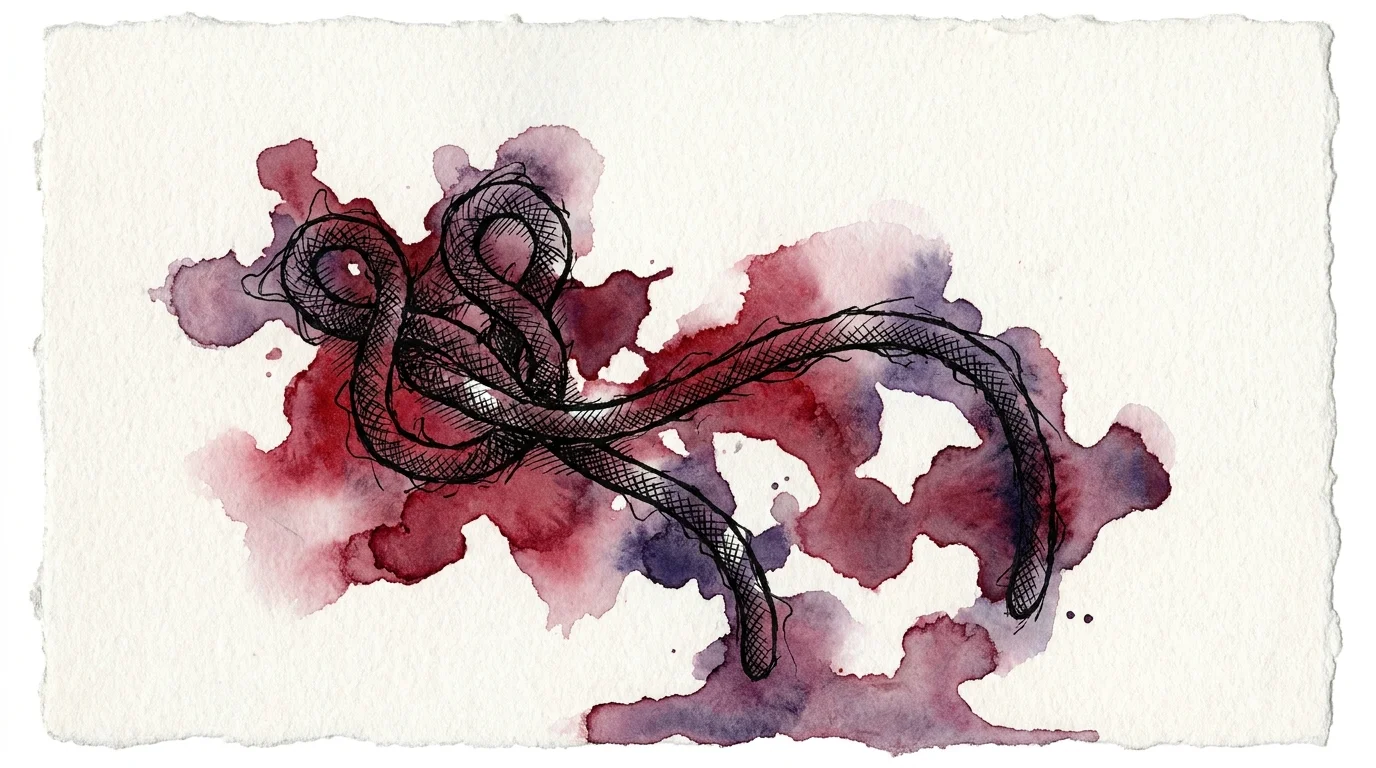
Belonging to the Filoviridae family, the Marburg virus triggers a catastrophic multisystem failure known as viral hemorrhagic fever. The virus relies on the African fruit bat as its natural reservoir. When the virus spills over into humans, either through direct contact with bats or through intermediate hosts like non-human primates, it initiates a ruthless attack on the immune system. Marburg targets macrophages and dendritic cells, the very sentinels designed to protect you from infections.
Upon entry, the virus forces the infected immune cells to release a massive wave of pro-inflammatory cytokines, initiating a systemic inflammatory response syndrome often referred to as a cytokine storm. This mechanism degrades the endothelial cells lining the blood vessels, causing severe vascular leakage and impairing the blood’s ability to clot. Patients experience rapid onset of high fever, severe headaches, and eventually mucosal hemorrhaging. Depending on the specific outbreak and the quality of supportive care available, the case fatality rate ranges from 24 to 88 percent.

4. Nipah Virus
Nipah virus is a highly pathogenic paramyxovirus that provides a textbook example of modern zoonotic spillover driven by environmental disruption. The natural hosts are fruit bats of the Pteropodidae family. The transmission mechanism often involves an intermediary vector. In Malaysia during the late 1990s, intensive pig farming encroached on natural bat habitats. Bats dropped partially eaten fruit and virus-laden saliva into pig enclosures. The pigs acted as amplifying hosts, experiencing explosive respiratory infections before transmitting the virus to agricultural workers.
Once inside a human host, Nipah virus uses unique surface glycoproteins to fuse with host cells, particularly targeting the endothelial cells of blood vessels and neurons in the central nervous system. This widespread cellular invasion results in severe acute respiratory infection and fatal encephalitis. The case fatality rate for Nipah virus is estimated at 40 to 75 percent. Survivors of the acute infection occasionally suffer from long-term neurological deficits or delayed-onset encephalitis, demonstrating the virus’s ability to persist within the central nervous system long after the initial exposure.