Infrastructure & Environmental Effects
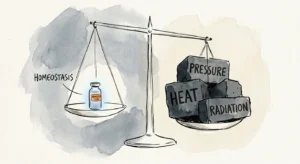
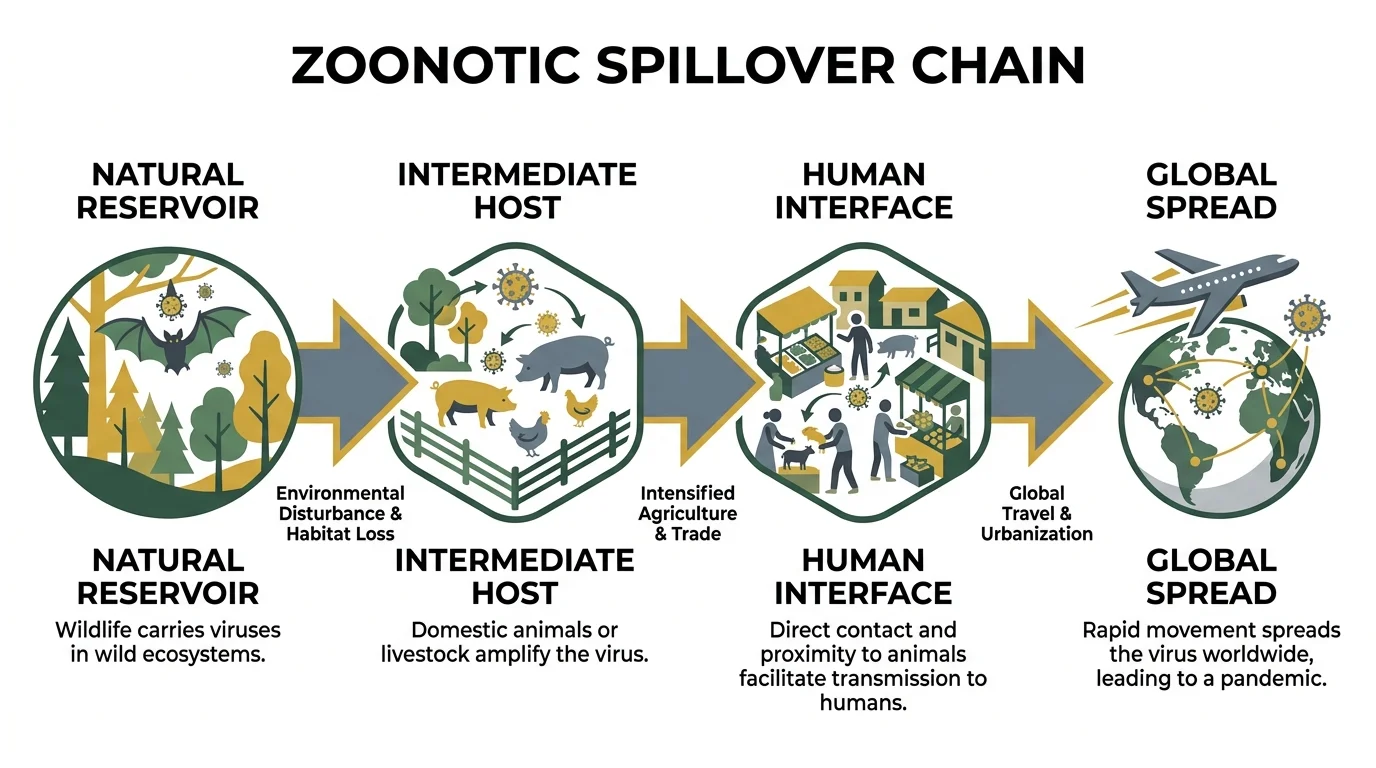
Major infectious virus outbreaks do not just attack human biology; they assault the foundational systems of modern civilization. When public health threats reach a pandemic scale, they disrupt global supply chains, overwhelm hospital capacities, and alter environmental conditions. The stress applied to logistical networks and medical infrastructure frequently dictates the overall severity of the disaster.

9. SARS-CoV-2
The emergence of Severe Acute Respiratory Syndrome Coronavirus 2 (SARS-CoV-2) in late 2019 demonstrated the extreme vulnerability of modern global infrastructure. As a highly transmissible respiratory pathogen capable of airborne transmission, the virus rapidly circled the globe. To prevent healthcare systems from collapsing under the weight of acute respiratory distress syndrome cases, governments enacted unprecedented lockdown measures.
These responses triggered a massive contraction of global infrastructure operations. Supply chains fractured as manufacturing hubs shut down and port operations stalled. The maritime shipping industry faced gridlock, resulting in severe shortages of everything from basic pharmaceuticals to semiconductors. Furthermore, the environmental effects were profound. While initial lockdowns resulted in a temporary drop in global carbon emissions, the subsequent need for personal protective equipment generated a massive ecological burden. Researchers estimate that the pandemic resulted in millions of tons of single-use plastic waste—including masks, gloves, and test kits—much of which mismanaged waste systems allowed to escape into the world’s oceans.
10. Hantavirus
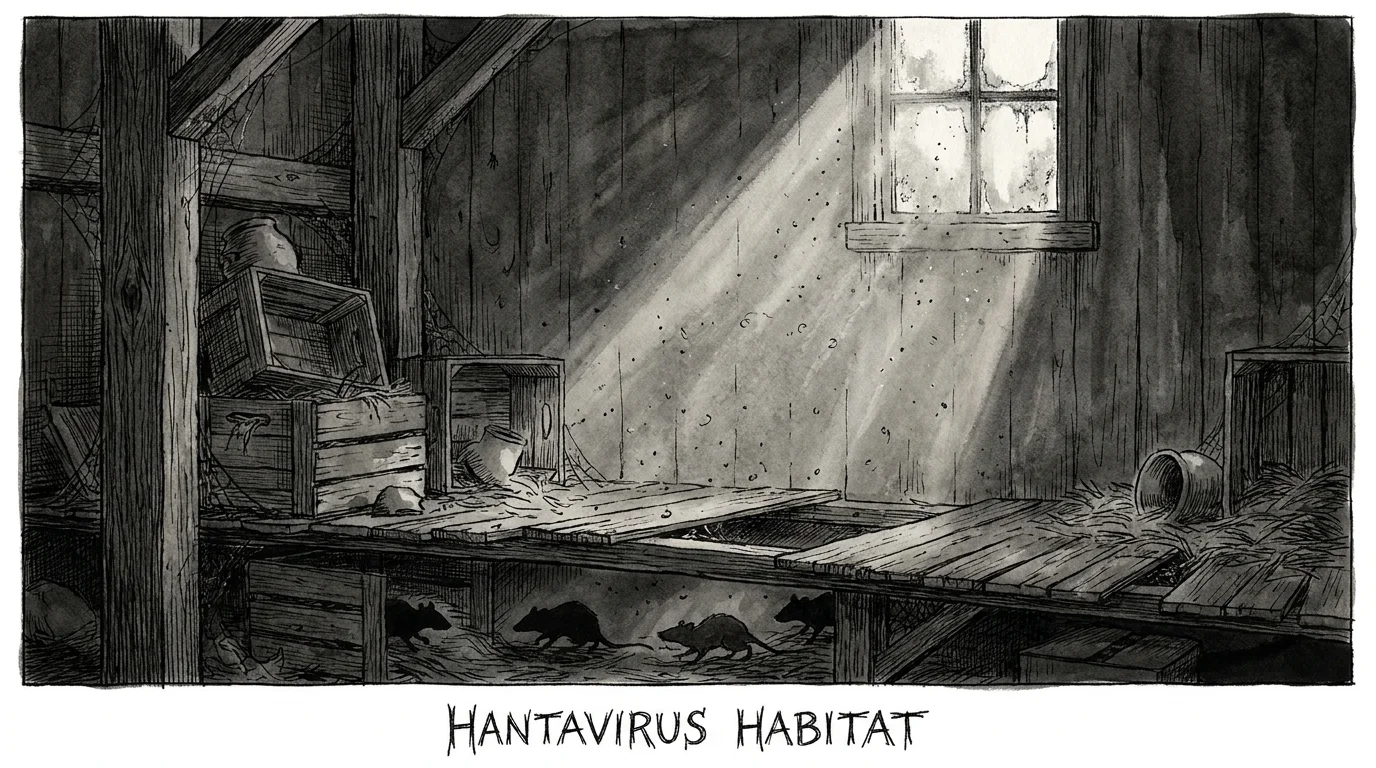
Hantavirus demonstrates a dangerous intersection between environmental conditions, human habitation, and infrastructure. Unlike viruses transmitted by mosquitoes or direct human contact, Hantaviruses pass to humans through the aerosolized excreta of infected rodents. When humans sweep or clean areas heavily infested with rodents, they disturb the dried urine and droppings, inhaling the viral particles. In the Americas, the Sin Nombre virus strain causes Hantavirus Pulmonary Syndrome, a severe disease that floods the lungs with fluid and carries a case fatality rate of nearly 35 percent.
The infrastructure impact is primarily rural and agricultural. Following the famous 1993 outbreak in the Four Corners region of the United States, environmental health officials recognized that unusually heavy rainfall had spurred a massive bloom of piñon nuts, leading to a population explosion among deer mice. This outbreak forced a permanent shift in how rural housing and agricultural storage facilities are designed. Building codes and public health guidelines adapted to mandate strict rodent exclusion techniques, requiring specific sealing around foundations and the implementation of wet-cleaning protocols to prevent viral aerosolization in rural infrastructure.