Human Impact & Emergency Response
When studying these massive events, you must look beyond the physical winds and waters to understand the human toll. The primary impacts of severe weather—drowning, blunt force trauma from debris, and structural collapse—capture the immediate headlines. Yet, emergency managers will tell you that the secondary impacts frequently cause as much, if not more, long-term suffering and economic instability. These secondary impacts include waterborne illnesses from contaminated municipal supplies, heatstroke following extended power grid failures, and the profound psychological trauma of losing homes and livelihoods.
Historically, early emergency response relied entirely on local charities, neighbors, and municipal governments. The federal government did not possess a centralized mechanism to fund disaster recovery until much later in the 20th century. During the 1900 Galveston disaster and the 1928 Okeechobee hurricane, recovery operations largely fell to the American Red Cross and local militias. They faced the grim task of managing mass casualties without heavy machinery, proper sanitation, or external supply chains, often resorting to burning debris and remains to prevent cholera and typhoid outbreaks.
As the United States expanded its suburban and coastal footprints, the need for coordinated evacuations became urgent. The evolution of human response shifted from “riding it out” to systematic, government-ordered mass evacuations. However, evacuations carry their own massive economic and public health costs. Moving a million people out of a major metropolitan area causes highway gridlock, fuel shortages, and medical crises for vulnerable populations trapped in transit. The chaotic evacuation preceding Hurricane Rita in 2005, just weeks after Katrina, directly resulted in dozens of transit-related fatalities, proving that the response mechanism itself can become a deadly weather event if poorly managed.
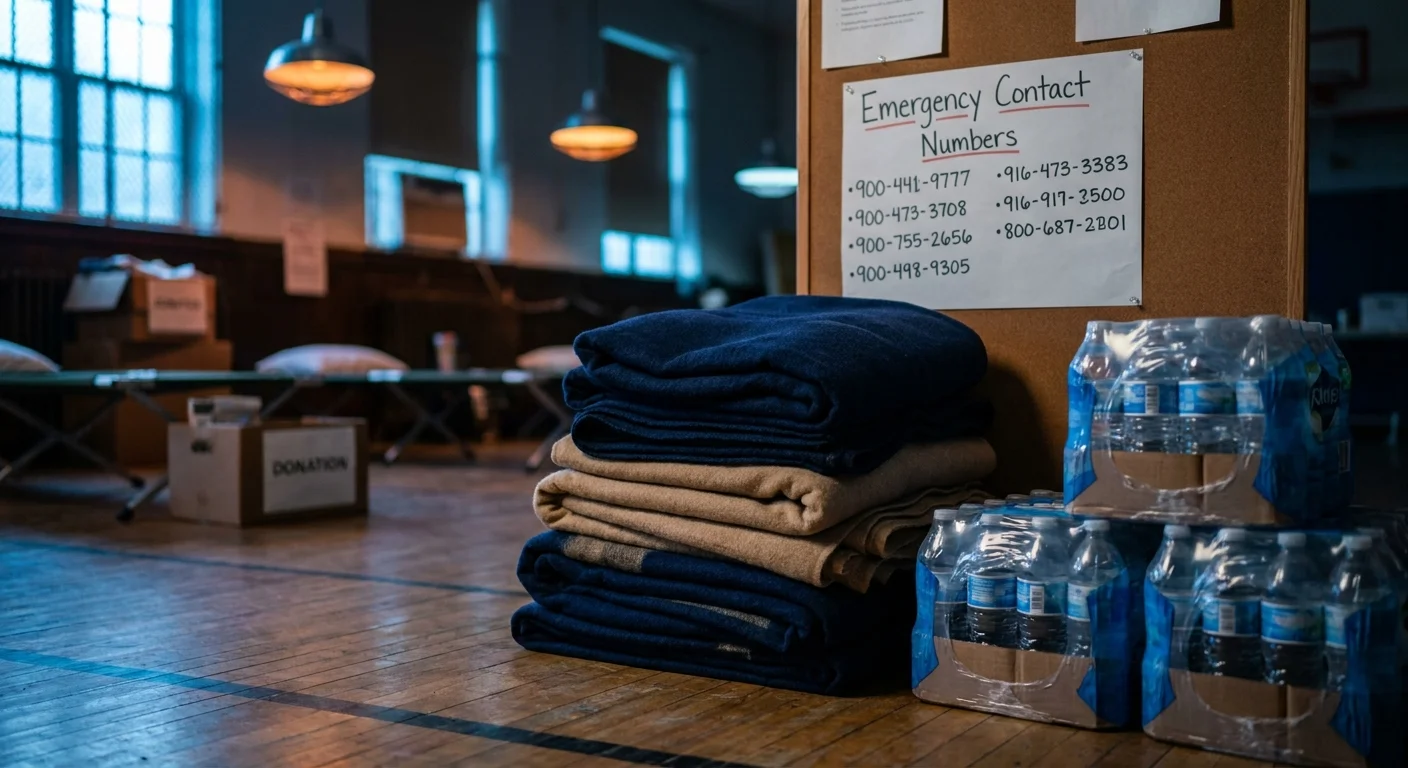
Modern emergency management focuses heavily on resilience and rapid resource deployment. Today, the federal government stages millions of liters of water, industrial generators, and urban search and rescue teams days before a hurricane makes landfall. Public health agencies actively monitor for mold toxicity in flooded homes and deploy mobile pharmacies. Yet, despite these advancements, storms like Hurricane Harvey and Superstorm Sandy show that human populations remain stubbornly vulnerable when they build economic centers in known hazard zones.