Human Impact & Response
Living in high-risk states exposes populations to severe social disruption, physical injury, sudden displacement, and severe financial distress. When major disasters strike high-hazard regions, thousands of residents must evacuate, overwhelming local highway networks, emergency shelters, and healthcare facilities. In contrast, communities situated in low-risk states experience minimal human casualty rates and enjoy extraordinary civic continuity.
To evaluate how hazards affect populations, risk analysts examine the Social Vulnerability Index (SVI). Developed by public health agencies, the SVI measures socio-economic factors—such as income levels, age demographics, housing density, and vehicle access—that determine how well a community can prepare for, respond to, and recover from emergency events. When a low physical hazard risk aligns with high community resilience, overall human vulnerability drops significantly.
For individuals seeking disaster safe retirement locations, human safety and healthcare continuity serve as primary considerations. Aging populations face elevated risks during major evacuations and utility disruptions. Prolonged electrical power outages caused by hurricanes or heatwaves can disrupt critical medical equipment, compromise temperature-sensitive medications, and paralyze local emergency medical services. Safe metro areas like Pittsburgh, Pennsylvania, offer dense healthcare networks surrounded by low physical hazard risks, ensuring that senior citizens retain access to uninterrupted medical support.
Emergency management in low-risk states operates under a proactive model rather than a perpetual crisis recovery cycle. Emergency responders in states like Michigan, Wisconsin, and Delaware focus their resources on routine municipal safety, severe winter road maintenance, and local infrastructure improvements rather than large-scale search-and-rescue operations. This structural advantage allows local governments to allocate taxpayer dollars toward educational systems, public parks, and road maintenance instead of continuous disaster rebuilding.
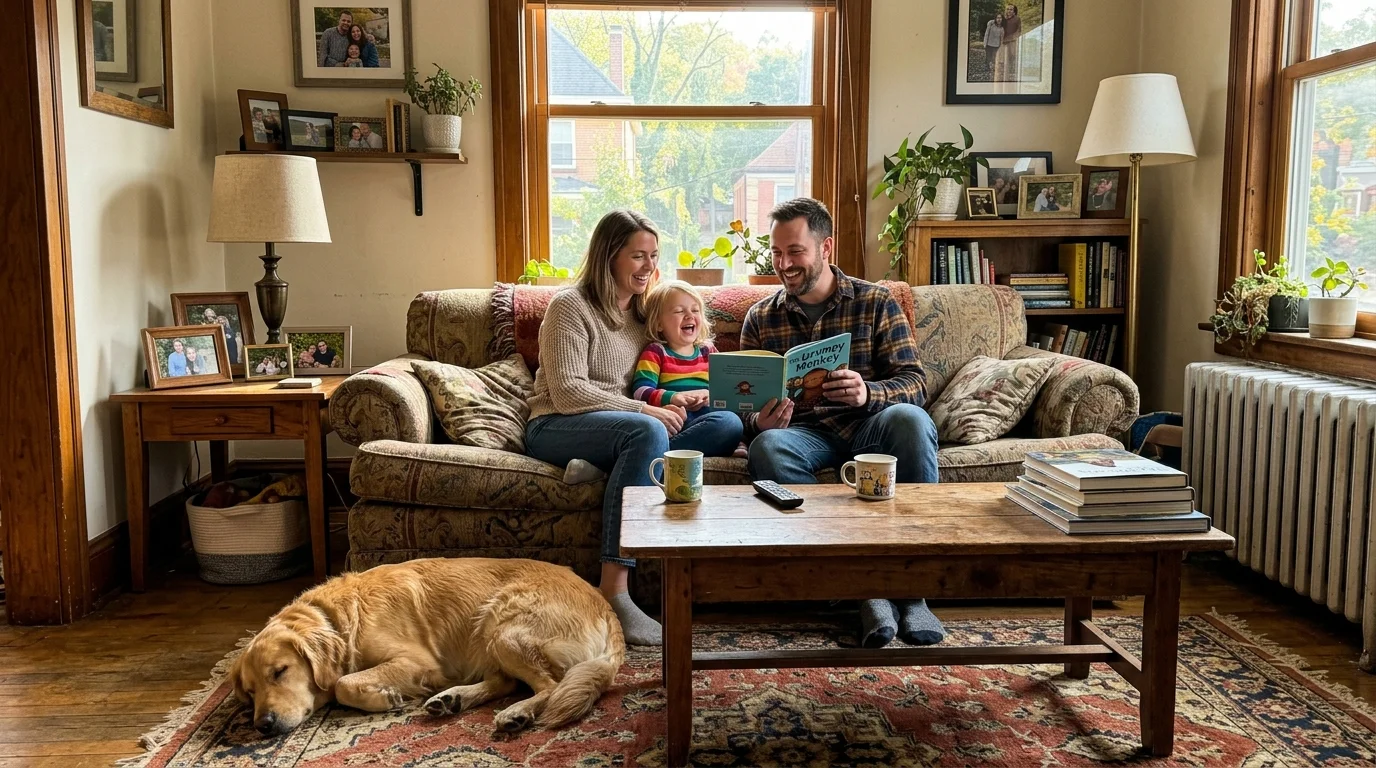
Furthermore, human displacement metrics in states least likely to flood remain remarkably low. Residents in low-risk midwestern and mid-Atlantic states face minimal probability of permanent home loss or mandatory long-term evacuations. This stability fosters tight-knit, multi-generational communities where real estate equity accumulates steadily without the constant threat of sudden environmental wipeout.