FAQs
Which state has the absolute lowest risk of natural disasters?
According to the FEMA National Risk Index composite county scores, North Dakota ranks as the lowest-risk state overall with an average risk score of 22.2. However, if you measure risk by the total number of federally declared natural disasters, Delaware holds the record for the fewest declarations nationwide, recording only 21 total declarations between 1953 and 2026.
Why does Delaware have so few federally declared natural disasters?
Delaware benefits from its small geographic size, stable geological foundation away from active fault lines, and relative protection from direct hurricane landfall hits. Between 2004 and 2024, Delaware registered only 13 federal emergency declarations, demonstrating consistent long-term atmospheric and environmental stability.
Are inland states like North Dakota completely safe from severe weather?
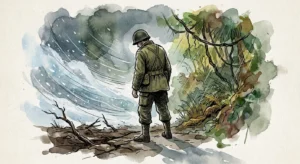
No state is completely free from natural hazards. While North Dakota has the lowest composite risk score nationwide for major cataclysms like earthquakes and hurricanes, it still experiences severe winter storms, blizzards, extreme cold waves, and occasional seasonal agricultural droughts. Proper home heating and winter preparedness remain essential.
What is the safest major city in the United States regarding natural disasters?
According to FEMA census-tract risk evaluations, Pittsburgh, Pennsylvania, ranks as the lowest-risk major metropolitan area in the United States. The region consists entirely of “very low” and “relatively low” risk census tracts across all eighteen evaluated hazard types.
How does living in a low-risk disaster state affect homeowner insurance rates?
Living in one of the lowest disaster risk states significantly reduces your homeowner insurance premiums. Insurance companies calculate premiums based on localized hazard exposure; properties in states with minimal flood, wildfire, and hurricane risks avoid expensive risk surcharges and specialized disaster riders required in coastal or fault-line states.