Lessons & Reforms
While data identifies specific areas as the safest states from natural disasters, disaster historians and risk analysts warn against complacency. No state on Earth features absolute zero hazard risk. Low-risk states remain susceptible to localized hazards such as extreme winter blizzards, arctic cold waves, agricultural droughts, and occasional severe thunderstorm bursts. Understanding these localized threats allows you to implement smart risk-reduction strategies regardless of where you reside.
Modern emergency management reforms emphasize localized hazard mitigation planning. Federal legislation requires municipalities to update their hazard mitigation plans every five years to maintain eligibility for federal mitigation grants. In states like North Dakota and South Dakota, these plans focus on strengthening municipal power grids against severe ice storms, expanding snowbreak forestry, and improving agricultural drought resiliency.
Building code enforcement remains one of the most effective tools for reducing disaster impacts. States that enforce updated International Residential Code (IRC) standards ensure that homes feature adequate roof snow-load ratings, reinforced foundation anchorage, and proper thermal insulation. When you purchase or build a home in a low-risk state, verifying that the structure complies with current building codes guarantees long-term durability against localized extreme winter weather.
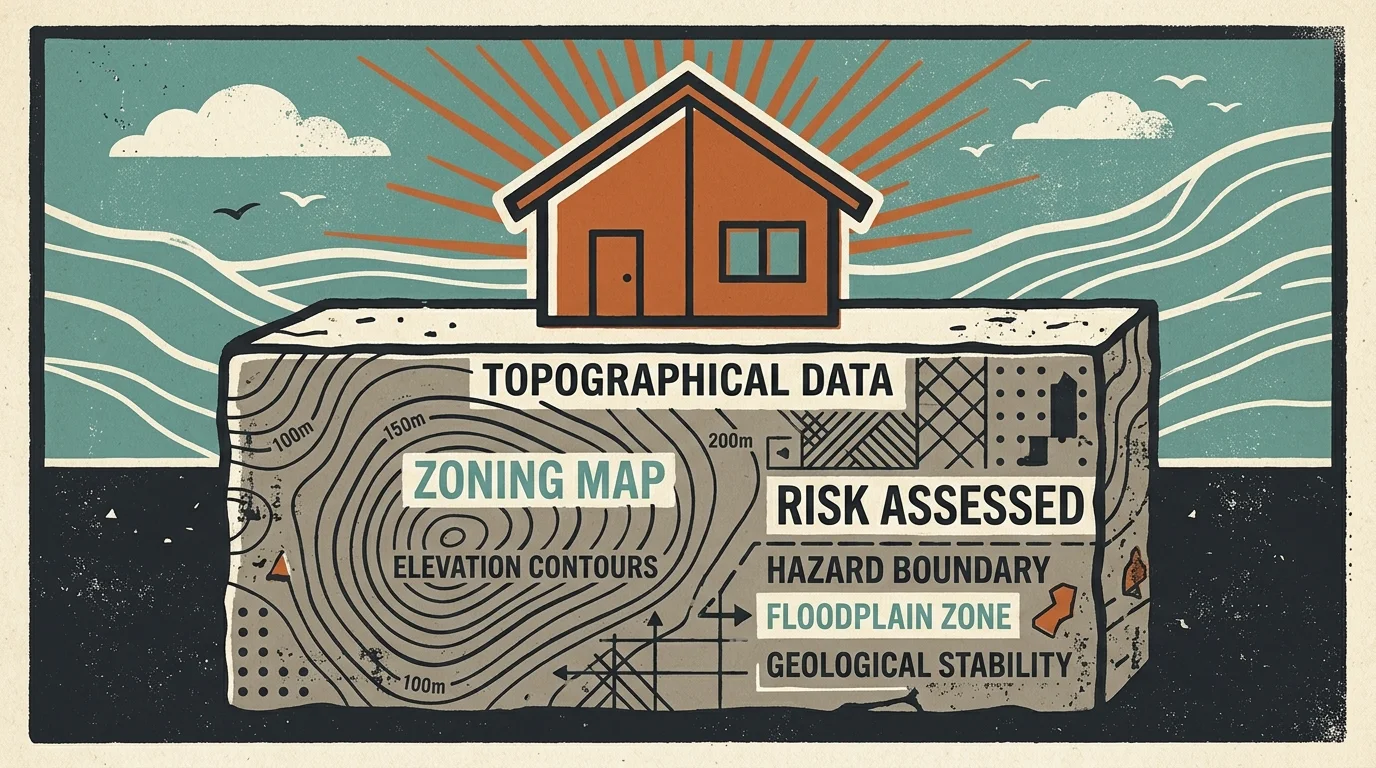
If you plan to relocate to a low-risk region or seek disaster safe retirement locations, you should follow practical step-by-step evaluation methods before purchasing real estate. First, review localized FEMA flood insurance rate maps (FIRMs) to confirm that your specific parcel sits outside 100-year and 500-year floodplains. Second, inspect the home’s heating systems, backup generator readiness, and plumbing insulation to protect against prolonged winter freezes. Third, check regional municipal infrastructure investments to ensure local water treatment facilities and emergency services remain well-funded.
Climate volatility is altering historical baseline probabilities across North America. Regions historically insulated from disasters face shifting seasonal temperatures and changing precipitation patterns. By selecting properties in geographically stable states with low baseline risk profiles, high social resilience, and modern building infrastructure, you position your family and assets for maximum long-term safety.
Emergency guidance at the FEMA and hazard science at the USGS and NOAA/NWS.
Public health information at the CDC and the WHO. Environmental data via the EPA.
Transport and workplace investigations via the NTSB and OSHA. Risk reduction resources at the UNDRR.
This article is for informational purposes only and does not constitute formal emergency management, financial, or legal advice. Local hazard conditions, state disaster policies, and building codes change over time; verify all specific property risks and emergency guidelines directly with official federal, state, and municipal agencies.